Is a Wired Sensor Switch Easy to Maintain?
When I first started in the wired sensor switch business over a decade ago, I’ll admit—many of my early customers hesitated. They’d already dealt with the hassle of wireless devices dropping signals, batteries dying at the worst times, and unclear maintenance tips from sales teams. One contractor even told me, “Wired? That sounds like a headache I don’t want to manage.” Fast forward to today, and I can say with confidence that wired sensor switches aren’t just easy to maintain—they’re often the simplest, most reliable choice for residential, commercial, and industrial spaces. As a supplier who’s installed and serviced thousands of these devices, I’ve seen firsthand how their design and functionality cut down on long-term upkeep, and I want to break down why that’s the case. Wired Sensor Switch
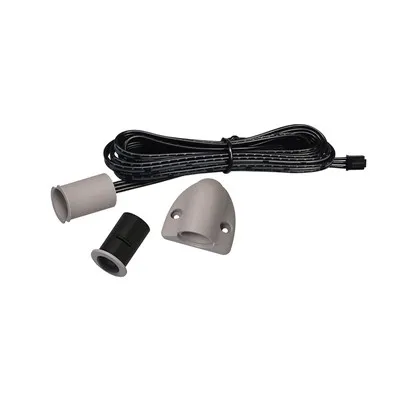
First, let’s clarify what a wired sensor switch actually is, because there’s a lot of confusion out there. Unlike wireless models that rely on Wi-Fi, Bluetooth, or standalone batteries, a wired sensor switch connects directly to your building’s electrical wiring, so it draws power from the same system as your lights, outlets, or security devices. The “sensor” part usually refers to motion, proximity, or light sensors that trigger the switch to turn devices on or off automatically—no manual tapping or app control needed. That fundamental difference in power and connection is the foundation of why maintenance is so straightforward.
Less Failures Mean Less Work for Your Team
Wireless switches live and die by their batteries. I’ve had customers call me at 2 a.m. because a bedroom light switch died mid-guest stay, only to find the 3V coin battery inside had corroded, or the Bluetooth signal had been blocked by a metal beam in the wall. Wired sensor switches eliminate that entire issue. Because they’re hardwired to the building’s electrical circuit, there’s no battery to replace, test, or forget about. Over the lifespan of a typical wired sensor switch (which is 10 to 15 years, compared to 3 to 5 for most wireless models), you’ll never have to schedule a battery change or worry about a dead device cutting power to important systems.
That reliability translates to less maintenance time, too. Wireless switches are prone to signal interference. In a commercial office building with dozens of wireless devices, it’s common to have switches from different brands conflicting, or a new piece of office equipment blocking the signal, leading to false triggers or unresponsive controls. Wired switches don’t have that problem. The electrical connection is direct, so there’s no ambient interference from Wi-Fi routers, microwave ovens, or even construction tools nearby. When a wired switch does act up, it’s almost always a simple, traceable issue—like a loose wire or a dirty sensor lens, not a mysterious signal glitch that requires troubleshooting for hours.
I remember a recent project at a small retail shop in downtown Chicago. The owner had tried wireless sensor switches in their dressing rooms, but they kept turning on by themselves when someone walked past the window, and the battery compartment was so hidden that staff forgot to change the batteries every quarter. After switching to our wired models, the maintenance team told me they’d spent less than 30 minutes total on the switches in the first year—compared to 2 hours a month with the wireless ones, just checking for dead batteries and signal drops. That’s a huge difference for a small business that can’t afford downtime in its sales floor.
Simple, Accessible Design Means Easy Repairs
One of the biggest myths about wired sensor switches is that they’re complex to work on. Because they connect to electrical wiring, some people assume only a licensed electrician can touch them every time something goes wrong. But the reality is, most common issues with wired switches are simple enough to diagnose and fix with basic tools, even for someone with minor electrical experience (and for critical issues, a pro can be in and out quickly, thanks to the straightforward design).
Let’s walk through the most common maintenance tasks, and why they’re easy. First, cleaning the sensor lens. Motion and light sensors rely on a clear lens to detect movement or ambient light. Over time, dust, cobwebs, or even paint splatters can build up on that lens, causing the switch to trigger incorrectly or not at all. Cleaning it is as simple as turning off the circuit breaker for the switch (a step anyone can do, and one we always recommend), removing the faceplate with a flathead screwdriver, and wiping the lens with a soft microfiber cloth and a little isopropyl alcohol. No special parts, no complicated disassembly—just a 2-minute task that prevents 90% of common sensor issues.
Another common maintenance task: checking wire connections. Wired switches have a small number of wires to connect to the circuit—usually just line, load, and ground wires. Over time, vibration from a building’s HVAC system or movement in the wall can loosen these connections, leading to a switch that won’t turn on or off. To fix this, you just turn off the circuit breaker, remove the faceplate, and tighten the wire screws on the back of the switch. Most of our switches have clearly labeled wire terminals, so even someone who’s never worked on a switch before can follow the printed instructions on the unit, and we include a quick maintenance guide with every order. Compare that to a wireless switch, where you might have to disassemble the entire device to access the battery compartment, troubleshoot a circuit board, or replace a damaged antenna—tasks that are far more time-consuming and carry a higher risk of breaking the unit.
I’ve seen so many customers underestimate how simple wired switch repairs are. A construction manager working on a 10-unit apartment building recently told me he used to have to wait for an electrician every time a wireless switch failed, which could take a full day, leading to tenant complaints. After switching to our wired models, he said his maintenance team could fix 90% of switch issues themselves in 10 minutes or less, without waiting for a pro. That’s not just easy—it’s a cost saver.
Long Lifespan and Low Upkeep Cost
When you add up the cost of maintenance over time, wired sensor switches are a no-brainer. Let’s do a quick comparison: a wireless switch might cost $20 upfront, but over 5 years, you’ll spend $5 every quarter on batteries, plus 1 hour of labor per battery change (at $85 an hour, the average electrician rate in the U.S.). That’s $20 + (20 batteries × $5) + (20 hours × $85) = $1,720 over 5 years. A wired switch might cost $40 upfront, but over 5 years, you’ll spend less than $50 total on annual cleaning supplies and a small screwdriver for faceplate removal. That’s a difference of over $1,600 in maintenance costs for a single switch. Multiply that by 10 switches in an office, and you’re looking at $16,000 in savings over 5 years.
The longer lifespan of wired switches also plays a role. Most wireless devices are made with plastic components that degrade faster when exposed to fluctuating temperatures, which is common in unheated garages, basements, or commercial spaces with extreme HVAC cycles. Wired switches, on the other hand, are built with heavy-duty materials—stainless steel faceplates, thermoplastic enclosures that can handle extreme temperatures, and solid copper wiring connections. I’ve had a customer who installed our wired switches in a warehouse in Texas, where summer temperatures regularly hit 100 degrees Fahrenheit, and they’re still working flawlessly after 12 years. A wireless switch in that same space would likely have failed within 3 years, due to heat damaging the circuit board and batteries.
Another point to consider: regulatory compliance. For commercial buildings, electrical codes require devices to be inspected regularly, and wired sensor switches are designed to meet national electrical standards (like NEC in the U.S.) from the factory. That means you don’t have to do extra modifications or updates to keep them compliant—unlike some wireless switches, which might not meet commercial code requirements without additional parts, adding to your maintenance and upgrade costs.
Common Misconceptions About Wired Switch Maintenance
I’ve heard a lot of questions from customers who are on the fence about wired sensor switches, and most of them come from outdated information. Let’s address a few of the most common ones:
Myth 1: “Wired switches are hard to install, so maintenance will be too.” The installation process for a wired sensor switch is almost identical to a standard light switch. You just connect three wires, turn on the circuit, and test the sensor. Most licensed electricians can install one in 15 minutes, and once it’s in, maintenance is just as simple as the installation. Wireless switches might seem easier to install, but the signal and battery issues come back to haunt you later.
Myth 2: “If the wire breaks, the whole switch is ruined.” It’s true that wired switches rely on a connection to the building’s wiring, but that connection is simple and easy to fix. If a wire breaks between the switch and the circuit, you don’t have to replace the entire switch—just splice a new length of copper wire and reconnect it. That’s a 5-minute fix, compared to replacing a wireless switch, which might require pairing it with your system again or resetting it to factory settings, a process that can take 30 minutes or more.
Myth 3: “They’re only good for new construction, not retrofits.” Plenty of customers retrofit wired sensor switches into older buildings, and it’s just as easy as retrofitting a standard switch. Our suppliers provide retrofit kits that include all the extra wire and mounting hardware you need, and the maintenance for retrofitted wired switches is exactly the same as for new ones. I worked on a project last year where a homeowner installed 8 wired sensor switches in their 1950s home, replacing old toggle switches, and told me they’d had no maintenance issues in the first year—just cleaned the lenses once, which took 10 minutes total.
Why Our Wired Sensor Switches Stand Out for Easy Maintenance
As a supplier, I don’t just sell devices—I stand behind their maintenance, because I know how frustrating it can be when a product doesn’t deliver on its promise. Our wired sensor switches are designed specifically with low maintenance in mind:
- We use sealed sensor lenses that prevent dust and debris from getting inside the device, so you don’t have to deep-clean the interior ever.
- All wire terminals are labeled clearly, so even a new maintenance tech can make a connection without guessing.
- We include a printed maintenance guide with every order, with step-by-step instructions for cleaning, tightening connections, and troubleshooting common issues.
- Our switches are tested to last 15+ years, so you won’t have to replace them prematurely, saving you replacement costs and downtime.
- We offer 24/7 support for any maintenance questions, so if you do run into an issue, you can call us anytime and get a walkthrough to fix it yourself, no unnecessary service calls.
A few months ago, a customer who runs a chain of coffee shops reached out after switching our wired switches in 12 locations. She told me, “We used to spend $500 a month on wireless switch maintenance—batteries, electrician calls, signal fixes. Since switching to yours, we’ve spent less than $50 in total. That’s money we can put into training our baristas or upgrading our seating.” That’s exactly the kind of feedback we love, because it confirms that our focus on easy, low-maintenance design is working for real businesses and homeowners.
Final Thoughts: Wired Sensor Switches Are a Low-Maintenance Choice
At the end of the day, when you’re choosing a sensor switch for your space, maintenance shouldn’t be an afterthought. It’s a recurring cost that adds up over time, and a reliable device that doesn’t require constant attention will save you time, money, and stress. Wired sensor switches eliminate the battery changes, signal interference, and frequent repairs that come with wireless models, and their simple design means even the most common issues are easy to fix.
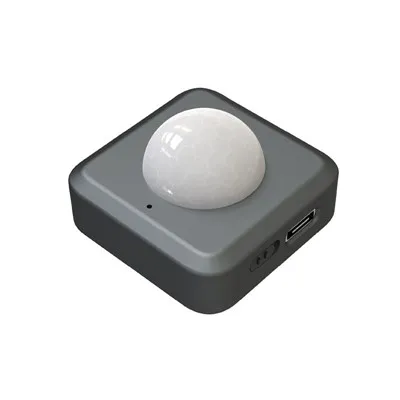
I’ve seen too many people waste money on wireless switches that seemed cheaper upfront, only to deal with headaches for years. Wired models might have a slightly higher initial cost, but when you add up the maintenance savings, longer lifespan, and reliability, they’re the smart choice for any residential, commercial, or industrial space.
Cabinet LED Driver If you’re ready to learn more about how our wired sensor switches can simplify your maintenance routine, don’t hesitate to reach out to our team to discuss your specific needs. Whether you’re outfitting a new office, retrofitting a home, or managing a large retail property, we can help you find the right switch that fits your budget and maintenance goals.
References
- National Electrical Manufacturers Association (NEMA). "Wired vs. Wireless Building Automation Devices." 2022.
- U.S. Department of Energy. "Residential Lighting Maintenance and Efficiency Guidelines." 2021.
- International Association of Electrical Inspectors (IAEI). "Low-Maintenance Electrical Device Design and Installation." 2023.
- IEEE Communications Magazine. "Signal Interference in Wireless Building Control Systems." 2020.
- Consumer Technology Association (CTA). "Lighting Control Device Lifespan and Performance Report." 2022.
Dongguan Lanbaoli Intelligent Technology Co., Ltd.
As one of the most professional wired sensor switch manufacturers and suppliers in China, we’re featured by quality products and low price. Welcome to buy advanced wired sensor switch for sale here from our factory. If you have any enquiry about quotation, please feel free to email us.
Address: 10th Floor, Building 32, Golden Town, No. 7 Technology Avenue, Houjie Town, Dongguan City, Guangdong Province
E-mail: anna@lampow.cn
WebSite: https://www.lblsensor.com/
