Let’s cut to the chase—if you’re reading this as someone who’s noticed weird stuff with your oil level, odds are you’re staring at your oil level indicator right now, wondering if it’s playing tricks or actually on the fritz. As someone who’s been in the game making these bad boys for over a decade (yeah, I own a small shop that cranks out these indicators for everything from personal generators to industrial pumps), I’ve seen every single “is it broken or is something else off?” scenario. Let’s walk through this like we’re chatting over a coffee—no fancy jargon, just real stuff I’ve dealt with day in and day out. Oil Level Indicator

First off, let’s get one thing straight: most people jump to “my indicator is broken” way too fast, and most of the time? It’s not the indicator. It’s something minor, like a loose wire, a little gunk in the sensor, or even a faulty wire harness somewhere. So before you go yanking it out or panicking about replacing the whole thing, let’s break down the signs that actually mean your indicator is toast versus signs it’s a different part of your system.
Let’s start with the super obvious stuff that’s easy to brush off. For example: when you check your oil level, it’s reading full one day, empty the next, and then back to full again a few hours later—no top-offs, no leaks, nothing changed. That’s a weird one, right? I’ve had a customer call me last month screaming that his generator’s indicator was “flat out lying” because he checked it three times in an hour and it jumped from “low oil—shut down” to “full” and back. Turned out the sensor inside the tank had a loose solder joint, so it was sending wonky signals. But wait—could that also be a broken indicator? Absolutely. If those jumps are consistent, not random, and happen even after you tap the tank a little (sometimes a loose sensor will jostle back into place temporarily), that’s a dead giveaway the indicator’s got a problem.
Another big one: it’s giving a low oil warning when you KNOW you just topped it off. Like, you changed the oil last week, you checked the dipstick (wait, do people still use dipsticks? Some old industrial machines do, but most new stuff has these digital indicators now), and it’s definitely full, but the indicator keeps blaring that low oil alert. First, double-check the actual oil level yourself—don’t just rely on the indicator. If your manual has a dipstick, yank it out, wipe it clean, reinsert it, and check the level. If the dipstick says full and the indicator says low, that’s the indicator’s problem. But wait—before you call me, make sure you didn’t spill oil somewhere or have a tiny leak you didn’t notice. I once had a guy blame his indicator for weeks because his oil filter was seeping a little, and he was losing half a quart a day without realizing it. So rule out actual leaks or real oil loss first, yeah?
What about if the indicator is just… not working at all? Like, the screen is black, or the lights don’t turn on, or it’s unresponsive when you press the test button. That’s pretty cut and dry, right? Wait, but hold on—again, check the power. If it’s a digital indicator, it runs on the same power as whatever machine it’s attached to. If your machine won’t turn on, that’s not the indicator. Check the fuse first—9 times out of 10, a dead indicator is just a blown fuse, not a broken unit. I’ve told so many customers that: pop the fuse panel, swap out the fuse with a matching amp, and if it fires up? You were just being dumb and didn’t check the fuse first. But if the fuse is good, the power is flowing to the indicator, and it’s still not responding? Yeah, that’s a broken indicator. Sometimes the circuit board inside gets fried from a power surge, or the wires inside corrode from moisture, especially if the machine is outside or in a damp warehouse.
Let’s talk about the analog ones too, because not everyone has fancy digital screens. Analog indicators—you know, the ones with a little needle that moves across a scale—those can break too. If the needle is stuck at the top (full) or the bottom (empty) no matter what the actual oil level is, that’s usually the indicator’s fault. Or if the needle jumps around like it has ADHD, moving even when you’re not touching the machine, that’s a problem. I’ve had analog indicators come back to my shop for repair where the needle’s pivot was loose—someone must have bumped it really hard during shipping or installation, and that threw the whole thing off. You can’t fix that on your own, so that’s a broken indicator.
Wait, what about weird accuracy issues? Like, it’s off by a quart. Not a huge jump, just consistently says your oil is a quart low when it’s actually full, or a quart high. Is that broken? Maybe, maybe not. Sometimes these indicators need a calibration check, especially if they’re digital. A lot of my indicators come with a simple calibration process—you just follow the steps in the manual, and it syncs up with the actual oil level. But if you calibrate it three times and it’s still off by the same amount, that’s a problem with the sensor in the indicator, not the calibration. That means the component that measures the oil level is worn out or misaligned, so the whole indicator is sending bad data.
Another scenario: your machine shut down because the indicator said low oil, but you checked and there’s more than enough oil. That’s a critical one, because a lot of machines have safety cut-offs that trigger if the oil level is too low—so this isn’t just an inconvenience, it can mess up your whole workflow. I had a small factory customer last year whose packaging line shut down every other day because his indicator was giving a false low oil alert. He thought it was the pump, so he replaced the pump, then the filter, then the whole oil tank, and nothing worked. Finally, he called me, and I walked him through checking the indicator. Turned out the sensor inside the indicator had a build-up of sludge from old oil, so it was reading the sludge as “low oil.” We cleaned it, recalibrated it, and it’s been working perfect ever since. Wait, but that’s not a broken indicator—that’s just a dirty one. So how do you tell the difference between dirty and broken? If cleaning the sensor doesn’t fix it, and the false alerts keep happening? That’s a broken indicator.
Let’s also talk about signs that are more obvious but easy to miss. For example, corrosion on the connections. The wires that link the sensor to the indicator can get rusty, or have gunk on them, which disrupts the signal. If you see white or green crusty stuff on the plugs where the indicator attaches to the machine, that’s probably corrosion, not a broken indicator. Scrub that off with a little wire brush, plug it back in, and see if that works. But if the connections are clean, no corrosion, and it’s still acting up? Yeah, the indicator is the issue.
What about if you replaced the indicator recently, and it’s still not working? That could be a bad part from a batch—wait, not to throw my own company under the bus, but every once in a while a bad unit slips through quality control. That’s why I always tell customers to test the new indicator right when it arrives, not when they’ve already installed it. But if you installed a new indicator and it’s still wrong, check the wiring again—you probably didn’t hook it up right. I’ve seen people mix up the positive and negative wires, which makes the indicator act all kinds of crazy, from reading backwards to not working at all. But if you’ve wired it correctly, checked the power, checked the actual oil level, and it’s still not matching up? That’s the new indicator being broken, and you can send it back for a replacement (as long as it’s within the warranty, which all my units are for a year).
Wait, let’s get into some troubleshooting steps you can do at home before you decide it’s broken, because that’s what most people want. First, confirm the actual oil level: use the dipstick, if you have one, or if it’s a sealed unit, drain a little oil into a measuring cup to check the volume. If the actual level doesn’t match what the indicator says, start with the easy stuff: check power, check fuses, check connections for corrosion or loose wires. If all that is good, then it’s time to suspect the indicator. For digital units, try a soft reset—turn the machine off, unplug the indicator (or disconnect the power wire), wait 10 minutes, then plug it back in and turn it on. That fixes a lot of wonky software glitches, which are actually super common with digital indicators. If the reset works temporarily, but then it goes back to acting up a week later? That’s a broken indicator, not a glitch.
Another test: if you have a spare oil level indicator lying around, swap it out and see if the problem goes away. I recommend that for most people, because it’s way faster than tearing apart the machine and hunting for issues. If the spare works, your old one is definitely broken. If the spare has the same problem? Then it’s not the indicator—something else is going on, like the sensor in the tank or a wiring issue deeper down. That’s a quick way to narrow it down, no guesswork.
Now, let’s talk about when you shouldn’t panic. Most small issues with oil level indicators are fixable without replacing the whole unit. I’ve cleaned hundreds of sensors that were just caked in old oil sludge, calibrated dozens that were off by a quart, and fixed the loose solder joints I mentioned earlier. But if you’ve tried all the troubleshooting, checked all the easy stuff, and the indicator is still lying to you, turning on and off randomly, showing stuck levels, or giving false alerts that shut down your machine? Yeah, that’s a broken indicator, and it’s time to do something about it.
Wait, let’s circle back to being the supplier here, because that’s who I am, and this isn’t just a blog about fixing your stuff—it’s about knowing when you need to replace it, and who to go to for that. I don’t like when people get scammed into buying a new indicator when they just need a $10 cleaning kit, or when they spend hundreds on a whole unit when a $5 fuse would’ve fixed it. So that’s why I laid out all this stuff first—so you don’t waste money. But if you’ve done all that, and you know your indicator is broken, then you need a reliable supplier.
Let’s be real: a broken oil level indicator isn’t just annoying. If it’s giving false low oil alerts, you shut down your line, lose money, maybe even damage your engine if you ignore it (wait, no—some machines have safety cut-offs, so they shut down to prevent that, which is actually a good thing, but it’s still a headache). If it’s saying full when it’s actually low, that’s a huge safety risk—your engine could seize up, which is way more expensive than replacing an indicator. So getting a working, accurate oil level indicator isn’t just a convenience, it’s important for your equipment and your bottom line.
I’ve had customers come to me with broken indicators they bought from some random online store, and they’re garbage—cheap plastic, sensors that corrode after six months, terrible accuracy. That’s why when you do need to replace yours, you want something that’s built to last. My indicators are made with heavy-duty materials, corrosion-resistant connections, and every unit gets tested three times before it leaves my shop. No cutting corners, no cheap parts. And if you have questions? I’ll talk you through troubleshooting for free, no strings attached, because I’d rather sell you a unit that you actually need, not one that’s a waste of money.
Wait, let’s recap all the red flags that actually mean your oil level indicator is broken, just to make it easy to remember:
- It’s showing random, unprovoked jumps in oil level (like full → empty → full in an hour, no actual oil change)
- It’s giving low oil warnings when you’ve definitely not lost any oil and the level is correct
- It’s completely unresponsive (screen black, no lights) even after checking fuses and power
- Analog needles are stuck or jumping erratically; digital displays show the same number no matter what the actual oil level is
- It’s consistently off by more than a quart after calibration and cleaning, and that’s not fixed
- False low oil alerts are causing your machine to shut down randomly, and you’ve ruled out all other issues
If none of these are happening, your indicator is probably fine—you just need to check the basics, or maybe give it a little clean. But if even one of these is happening, and you’ve checked all the other stuff (oil level, leaks, fuses, power, connections), then yeah, your indicator is broken, and it’s time to get a new one.
Look, I’ve been in this game long enough to know how frustrating it is when machine parts don’t work the way they’re supposed to. There’s nothing worse than being in the middle of a job, or a production run, and your oil level indicator throws a fit for no reason. That’s why I wrote this whole thing—so you can figure out if it’s actually broken, or if you just missed a simple fix. And if it is broken? Well, you know where to go. I’m here to help, no pressure, just good quality parts that work when you need them.
If you’ve gone through all the troubleshooting, confirmed your oil level indicator is broken, and you’re ready to get a reliable replacement, reach out to connect and discuss your needs. I can walk you through picking the right model for your machine, answer any questions about installation, and make sure you get something that works as good as it should. No hassle, no hidden fees, just honest help.
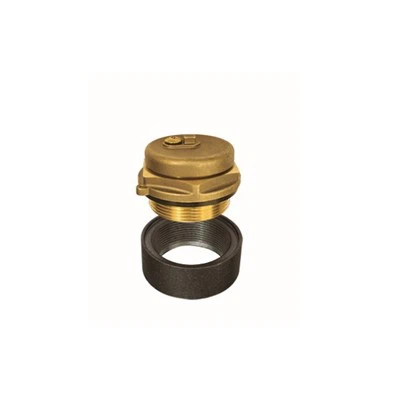
When you’re dealing with equipment, small parts like oil level indicators make a big difference. Don’t waste time and money guessing if it’s broken—follow this list, rule out the easy stuff, and if it’s still acting up, you’ll know exactly what to do. And if you need a new one, hit me up. I’ve got your back.
Transformer Bushing References
Society of Automotive Engineers. (2021). Recommended Practice for Monitoring Fluid Levels in Internal Combustion Engines. SAE International.
Industrial Maintenance & Plant Operation. (2022). Troubleshooting Fluid Level Sensors and Indicators. Endeavor Business Media.
National Fluid Power Association. (2020). Guide to Testing and Calibrating Hydraulic and Lubricant Level Indicators. NFPA.
Hebei Anmei Electrical Equipment Co., Ltd.
Hebei Anmei Electrical Equipment Co., Ltd. is one of the most professional oil level indicator manufacturers and suppliers in China, specialized in providing high quality products and service. Please feel free to buy customized oil level indicator made in China here from our factory. Contact us for quotation.
Address: Hejian Yingzhou Economic Development Zone, Cangzhou City, Hebei Province
E-mail: sales@anmeielec.com
WebSite: https://www.anmeibushing.com/
