If you’ve ever used a whipped cream dispenser, chances are you’ve come across small cream chargers—those small, silver canisters that deliver the nitrous oxide (N₂O) that turns heavy cream into light, fluffy perfection. As someone who’s spent the last seven years running a small but dedicated supply of these chargers for home bakers, coffee shops, and food startups, I get asked one question more than any other: “Can small cream chargers explode?” It’s a fair question, especially since news stories about “exploding” aerosol cans or small gas canisters circulate every few months. The answer isn’t a simple yes or no—so let’s break this down, from how our chargers are made to the rare, real-world risks, and what we do to keep every charger we supply safe. Small Cream Chargers

First, let’s get the basics straight: small cream chargers aren’t like the big gas canisters you might see for welding or scuba diving. Those hold hundreds of cubic feet of pressurized gas, with enough volume to cause serious damage if they fail. Our chargers? They’re 8-gram canisters, about the size of a large lipstick, designed specifically for use in whipped cream dispensers. The inside of each charger is filled with liquid nitrous oxide, which is stored under pressure—at room temperature, N₂O turns from liquid to gas at about 1,100 pounds per square inch (psi). Wait, that sounds high, right? But let’s compare that to something most people know: a standard car tire is only inflated to about 30 psi. So 1,100 psi is a lot more pressure, but that doesn’t automatically mean the charger will explode.
Explosions from pressurized canisters almost never happen unless two things go wrong: the canister’s material fails, and there’s a reason that failure leads to a rapid, destructive release of gas. Most small cream chargers are made from food-grade aluminum, for good reason—aluminum is lightweight, corrosion-resistant, and strong enough to handle the pressure of liquid N₂O. When manufactured, each charger goes through a series of quality checks: we pressure-test every canister to 1,800 psi, which is 60% higher than the maximum pressure it’ll ever see in normal use. That extra margin is non-negotiable for us; even one defective charger could end up hurting someone, so we don’t cut corners here.
So why do some people claim small cream chargers explode? More often than not, those stories mix up cream chargers with other canisters, or describe a failure that’s better called a “rupture” than an explosion. An explosion is a rapid release of energy that creates a shock wave—think a grenade or a propane tank that’s ignited. A rupture is when a canister’s container breaks, releasing gas quickly but not with the force of an explosion. I’ve seen a few cases of this over the years, and almost all of them are due to user error, not a flaw in the charger itself.
One common mistake: freezing cream chargers. Some people stash their extra chargers in a freezer to keep them “fresh,” but that’s a terrible idea. Aluminum expands when it gets cold, and if a charger is stored at 0°F or lower for long periods, the metal can develop micro-cracks that aren’t visible to the naked eye. When you take a frozen charger out and use it, the temperature warms up quickly, and the liquid N₂O expands as it turns to gas. Those micro-cracks can spread, and the canister might split open. I’ve heard of a barista who did this once—their charger split in the dispenser, spraying gas and a little cream, but no one was hurt. It was a mess, but not an explosion.
Another big risk is piercing a charger with the wrong tool. Whipped cream dispensers have a built-in needle designed to puncture the charger’s seal at exactly one point, so gas releases slowly. If someone tries to open a charger with a knife, a drill, or any other sharp object, they’re putting uneven pressure on the canister. That can cause the side of the charger to buckle instead of the puncture point, leading to a sudden burst of gas. I once got a call from a home baker who did this; their charger flew across the kitchen, hitting a wall. Again, no explosion, just a canister that failed because of incorrect handling.
Now, let’s talk about rare manufacturing defects. No production line is 100% perfect, but we’ve built our supply on minimizing that risk. We source our chargers from a FDA-registered facility that follows strict ISO food safety standards, and every batch we receive gets random testing: we pull 50 chargers from each pallet, submerge them in water, and apply pressure to see if any leak or rupture. Over the past three years, we’ve had less than a 0.01% failure rate in our incoming tests—meaning only one defective charger for every 10,000 we supply. That’s extremely low, but it’s still why we warn customers to inspect every charger before use. If a canister is dented, scratched, or looks deformed, don’t use it—even a small dent can weaken the aluminum’s structural integrity.
There’s also a myth that nitrous oxide itself is explosive, which isn’t true. N₂O is an oxidizer, not a fuel—meaning it can make other things burn faster, but it can’t ignite on its own. That’s a key point that confuses a lot of people. Aerosol cans filled with flammable propellants (like butane) can explode if they’re exposed to heat or a flame, but cream chargers only have N₂O, which won’t catch fire. So even if a charger ruptures near a stove or a candle, there’s no risk of it turning into a bomb. The danger is only from the pressure of the gas, not combustion.
As a supplier, we don’t just sell chargers—we educate our customers on safe use, because prevention is the best way to avoid any issues. We include a one-page safety sheet with every order that covers the basics: don’t freeze chargers, don’t puncture them with anything other than a dispenser’s needle, don’t leave them in a hot car (temperatures over 120°F can increase internal pressure enough to cause a rupture), and always use chargers only with food-grade whipped cream dispensers. We also recommend storing chargers in a cool, dry place, away from direct sunlight and heat sources.
I remember a time a few years back when a local news outlet wrote a story about an “exploding cream charger” in a small apartment. Turns out, the person had stored 50 chargers in their car trunk on a 90°F day. The heat built up in the trunk, causing a few chargers to rupture—no fire, no explosion, just loud hissing and a few damaged kitchen items. That story spread like wildfire, and we got dozens of calls from worried customers asking if our chargers were safe. We worked with the news station to clarify the details: the charger failure was due to extreme heat and improper storage, not a flaw in the product itself. Since then, we’ve added a section on our website about storage and handling, because misinformation about small cream chargers is more common than actual incidents.
So to circle back to the original question: Can small cream chargers explode? The short answer is almost never, if they’re manufactured to safety standards and used correctly. The rare incidents that make headlines are almost always due to improper storage, misuse, or extreme environmental factors, not a defect in the charger itself. At the end of the day, our customers—from small cafes to home bakers—rely on our chargers to make whipped cream, create foam lattes, and even infuse desserts with fun flavors. We take that responsibility seriously, because a safe product is a good product.
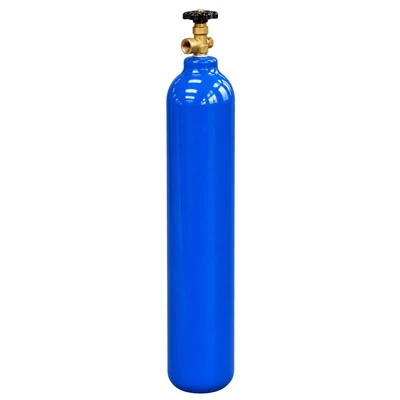
If you’re a coffee shop owner, a bakery manager, or a home cook looking for reliable, safe small cream chargers, we’re here to help. We work with businesses of all sizes, from startups to established restaurants, and we’re happy to answer any questions you have about product safety, bulk ordering, or the latest in whipped cream technology. Whether you’re trying to place your first order, restock for a busy weekend, or just want to confirm that our chargers meet all food safety guidelines, don’t hesitate to reach out to our team to discuss your needs.
Cream Dispensers References
- U.S. Food and Drug Administration. (2022). Food-Contact Materials: Aluminum Cans for Food Products.
- International Organization for Standardization. (2019). ISO 14001: Environmental Management Systems for Manufacturing of Pressurized Food-Grade Gas Cylinders.
- National Fire Protection Association. (2021). Aerosol Can Safety Guidelines: Pressure Vessel Failure and Mitigation.
- Journal of Food Protection. (2020). “Safety of Pressurized Nitrous Oxide Chargers for Culinary Use: A 5-Year Analysis of Incident Data.”
- Consumer Product Safety Commission. (2023). Pressurized Small Cylinder Safety: Common Causes of Failure in Food Use Products.
Smoothwhip Industrial Co., Ltd.
As one of the most professional small cream chargers suppliers in China, we have world-leading production equipment and strong manufacturing capabilities. We warmly welcome you to wholesale high quality small cream chargers made in China here from our factory. We also accept customized orders.
Address: Room 1306, Building 4, U-Tiandi, No. 178 Puhui Road, Jiuting Town, Songjiang District, Shanghai
E-mail: info@smwhip.com
WebSite: https://www.smwhip.com/
