Hey there, Expansion Joints
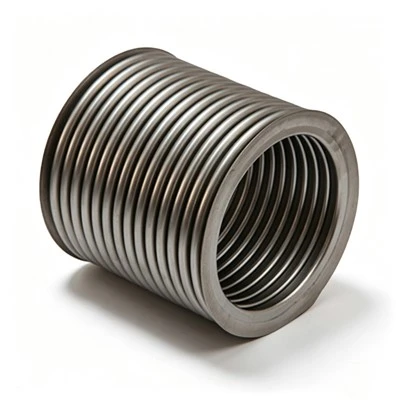
If you’re a contractor, building owner, or even someone who just gets asked to sign off on a new construction project, you’ve probably run into the term “expansion joints” more than once. And if you’re anything like the folks I talk to every day at the expansion joints company I work for, you’ve also questioned one thing: Do we actually need these things? Is this some random rule, or is there real code behind it?
Let me cut to the chase here—this isn’t a “do what you want” situation. Codes are set for a reason, and when it comes to expansion joints, those rules are built to stop buildings, bridges, pipes, and even industrial equipment from cracking, buckling, or falling apart. But I know it can feel confusing. One of the most common questions we get from new clients is, “My old building didn’t have expansion joints, and it’s fine—why does this new one need them?” So let’s break this down, no boring jargon, just the real deal about what codes say, when you have to follow them, and why cutting corners here ends up costing way more in the long run.
First off, let’s talk about what expansion joints actually do, quick. They’re the flexible seams (or full assemblies) built into structures to absorb movement. That movement isn’t just from big earthquakes—though that’s a huge part too. It’s from temperature changes: a concrete slab will expand when it’s 90 degrees out, shrink when it drops to 20 at night. It’s from buildings settling unevenly—like if one side of a foundation hits softer dirt than the other. It’s from pipes carrying hot water or steam, which expand way more than regular metal. And all that movement, if it doesn’t have a place to go, creates stress. Too much stress, and you get cracks in concrete, broken pipe joints, or even structural damage that’s expensive to fix.
Now, back to the code question. The short answer is: In most cases, yes, expansion joints are required by code—but which code, and which type, depends entirely on what you’re building, where it’s located, and the materials you’re using. Let’s go through the main codes that come up, because these aren’t random docs—they’re updated every few years based on decades of real-world problems.
First, the International Building Code (IBC), which is used in most of the U.S. for commercial and residential buildings. When it comes to concrete structures, IBC has very specific rules. For example, if you’re pouring a concrete slab for a retail store or a warehouse, you need control joints (which are a type of expansion joint for concrete) every 10 to 15 feet, right? Wait, no—actually, it depends on the slab thickness. But here’s the thing: IBC section 1908.5 for concrete requires joints to be placed to control cracking from shrinkage and temperature movement. If you skip those, you’ll end up with random, ugly cracks that can weaken the slab over time. We had a client last year who saved $200 by skipping control joints on a 5,000 sq ft slab—six months later, they had 12 major cracks, plus moisture seepage that damaged the stored goods. They ended up paying $15,000 to repair and add joints later. That’s the kind of cost we see all the time when people ignore code here.
Then there’s the American Society of Civil Engineers (ASCE) 7, which is for structural loads—including seismic and wind. If you’re building anything in a high-wind zone or earthquake area (think California, parts of the Midwest, Pacific Northwest), ASCE 7 requires expansion joints that can handle horizontal movement from ground shift. A lot of people think expansion joints are just for temperature, but in seismic zones, they’re non-negotiable. We worked on a bridge project in Oregon a couple years back—without the proper expansion joints, the bridge would have shifted 2 inches during a 7.0 earthquake, which would have collapsed the deck. The code there specified a joint rated for 3 inches of movement, and that’s exactly what we supplied. It’s not overkill—it’s the minimum required to pass inspection.
Pipes are another big one, especially industrial pipes, HVAC systems, and plumbing. The International Mechanical Code (IMC) and International Fuel Gas Code (IFGC) both require expansion joints for metal pipe runs longer than a certain length. For example, steel pipe over 50 feet needs a joint to absorb temperature expansion. If you don’t, the pipe will bend, break, or pull away from fittings, leading to leaks. We had a restaurant client who tried to save money by using rigid pipe without expansion joints for their commercial kitchen steam line. Within a month, the line burst, flooding the basement and destroying the kitchen equipment. Insurance didn’t cover it because it was a code violation, and they had to close for two weeks—lost $40,000 in revenue. That’s a way bigger hit than the cost of the expansion joints upfront.
Wait, but what about smaller projects? Like a backyard patio or a small home addition? Do codes apply there? If you’re in a residential area, most local building codes (which usually adopt IBC or a modified version) do require expansion joints for concrete patios and driveways, especially if they’re over 10 feet long. We get calls from homeowners all the time who tried to pour their own patio without joints, and now it’s cracked so bad they can’t walk on it. A quick check with your local building department will tell you exactly what’s required—no guessing, and it keeps you from having to redo work.
But here’s the thing I want to make clear: not every expansion joint is the same, and code doesn’t just say “put any joint here.” It specifies the type, size, and material based on the application. For example, a rubber expansion joint works for HVAC pipes, but you can’t use that for a highway bridge—you need a modular joint made of steel and neoprene that can handle heavy traffic and big movement. Or a control joint for a residential slab is a simple cut in the concrete, but a seismic expansion joint for a hospital needs to be able to separate two parts of the building so that during an earthquake, one doesn’t smash into the other. Hospitals actually have extra strict codes for expansion joints because they need to stay operational during disasters—so cutting corners there is literally a safety issue, not just a cost one.
Now, why do so many people get confused about this? Because old buildings sometimes got away without expansion joints for a few reasons. Back in the day, concrete was mixed differently, buildings were smaller, and seismic code wasn’t as strict. But those old buildings have way more maintenance issues. I drive around my city all the time and see old warehouses with huge cracks in their walls—9 times out of 10, it’s because they didn’t have proper expansion joints. Modern materials and codes are designed to prevent that, so ignoring them means you’re building to a lower, outdated standard.
Another common question: “Can I use sealant instead of an expansion joint?” No, not really. Sealant is for sealing gaps to keep water out, not for absorbing movement. If you fill a 1-inch gap with sealant, when the concrete expands, it will push right through the sealant, and then you have a gap that lets water in, leading to more damage. Sealant is a complement to expansion joints, not a replacement. We tell all our clients that—you need the joint first, then the right sealant on top.
So when is expansion joints not required by code? Well, in some rare cases, if a structure is built with flexible materials that can handle movement without cracking, or if it’s a very small, temporary structure. But even then, I always tell people to check with their local inspector. Last year, a guy came to us with a 10×10 shed he built in his backyard—he thought he didn’t need a joint, but his local code required it for any structure over 8 feet long that uses concrete. He ended up buying a small expansion joint from us for $50, which saved him from failing his inspection. It’s not about making money—we want people to do it right the first time, so they don’t have to come back to us later with a bigger problem.
Now, let’s talk about the cost, because I know that’s a big factor. A lot of people see expansion joints as an extra expense, but they’re actually a budget saver. Let’s use that warehouse example again: the client who skipped the joints paid $15,000 to repair, compared to the $1,200 we quoted for the right expansion joints upfront. That’s a 12x difference. For industrial piping, expansion joints usually cost 5-10% of the total pipe cost, but avoiding a burst pipe that shuts down a factory for a week can cost hundreds of thousands of dollars. I’ve seen clients try to cut the $200 cost of a joint, end up paying $20,000 in downtime and repairs. It’s not worth it.
So how do you make sure you’re complying with code? First, always check your local building department’s requirements—they’re the final authority, not a random blog or even a general code book that might apply to a different state. Second, talk to a professional who specializes in expansion joints. That’s where we come in. We don’t just sell parts—we help you figure out exactly what type, size, and material you need for your specific project, so you meet code, pass inspection, and avoid future problems. We work with contractors, engineers, building owners, even DIY folks who want to do it right.
Here’s a real example to drive this home: last year, we worked on a school construction project in Texas. The engineer on the job specified expansion joints for all the classroom wings, because Texas has extreme temperature swings (hot summers, cold winters) and frequent thunderstorms that can cause small ground shifts. The general contractor tried to save money by using a cheaper, lower-rated joint than what the code required. We caught it during a pre-installation check, explained why the higher-rated joint was mandatory per IBC and local Texas construction code, and worked with the contractor to adjust their budget so they could use the right product. A few months later, during a 95-degree heat wave, the slabs expanded—because we had the proper joints, there was no cracking, and the school was able to open on time. If they’d used the wrong joints, they would have had cracks by the end of the first year, and the school would have had to delay opening while repairs were done.
Another thing: code gets updated. Every 3 years, the IBC gets revised, and they add new requirements based on recent construction failures. For example, the 2021 IBC added stricter expansion joint rules for drive-through lanes at restaurants, because of the constant heavy traffic and temperature changes from the buildings’ HVAC systems. If you’re using an old set of plans that don’t reflect the latest code, you could end up with a project that fails inspection. That’s why talking to someone who’s up to date on current codes—like us—helps. We know exactly what’s required in your area, no guesswork.
Now, I want to address the elephant in the room: what if I fail inspection because I didn’t use expansion joints? Most of the time, you’ll have to rip out the part of the structure that’s non-compliant and redo it, which is way more expensive than doing it right the first time. We’ve had clients who tried to cut corners, failed inspection, and ended up paying twice as much as if they’d just bought the expansion joints upfront. Plus, delays mean lost revenue, lost time, and extra stress for everyone involved. It’s not worth taking the risk.
At the end of the day, expansion joints aren’t just a “rule”—they’re a way to build structures that last. Codes are written with input from engineers, builders, and people who’ve spent decades fixing the mistakes of the past. So when you’re planning a project, don’t skip the expansion joints because you think you can save a buck. Reach out to someone who knows what they’re doing, talk through your needs, and get the right product to meet code. That way, your structure will stand up to temperature changes, seismic activity, heavy traffic, and whatever else comes its way.
If you’re working on a project right now—whether it’s a residential slab, commercial pipe run, bridge, or industrial structure—and you’re not sure what expansion joints you need, or if you even need them, get in touch with us. We can help you walk through your project, check the local code requirements, and find the right solution that fits your budget. No sales pressure, no confusing jargon—just straight talk about what works and what’s required.

We’ve been doing this for years, and we’ve seen every mistake you can make when it comes to expansion joints. We want to help you avoid those mistakes, so your project goes smoothly, passes inspection, and lasts for decades. Don’t wait until you have a crack or a leak to call us—reach out now, and let’s make sure you do it right the first time.
Metal Expansion Joints References
- International Building Code (IBC) Section 1908 (Concrete Design and Construction)
- American Society of Civil Engineers (ASCE) 7-22 (Minimum Uniform loads and Related Criteria for Buildings and Other Structures)
- International Mechanical Code (IMC) Chapter 6 (Plumbing Systems)
- International Fuel Gas Code (IFGC) Chapter 4 (Gas Piping Installation)
- National Ready Mixed Concrete Association (NRMCA) Control Joint Guidelines for Concrete Slabs
Yixing Blog Pipeline Equipment Co., Ltd.
As one of the most professional expansion joints manufacturers and suppliers in China, we’re featured by quality products and good service. With abundant experience, we warmly welcome you to wholesale bulk expansion joints in stock here and get quotation from our factory. Customized orders are welcome.
Address: Zhizao Park, No.50 Chunjiang Road, Industrial Cluster Zone, Heqiao Town, Yixing City, Wuxi City, Jiangsu Province
E-mail: 1351116816@qq.com
WebSite: https://www.blogbellows.com/
