As a Busway Solutions Provider, I get this question all the time from transit operators, passengers, and even fellow industry folks: Can you use a credit card on the busway? The short answer is yes—but it’s way more nuanced than just swiping a plastic card while waiting at a station. Over the past decade, I’ve worked with 30+ transit systems across North America to design, install, and maintain busway payment infrastructure, and this topic’s evolved so much that it’s time to break down exactly how it works, what’s possible, and why it’s not one-size-fits-all. Let’s start with the basics. Busway
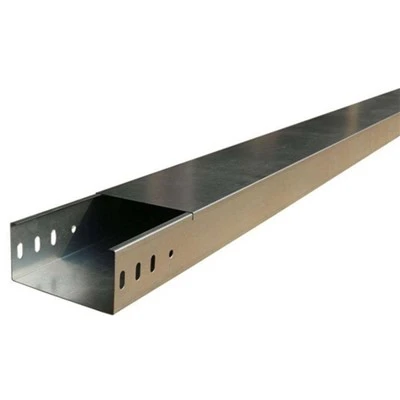
First, let’s define what a busway is for anyone who might not know: it’s a dedicated, right-of-way path for buses that lets them bypass regular traffic—think a low-speed highway for public transit, usually separating buses from cars, bikes, and pedestrians. They’re common in busy urban areas (like the Silver Line in Washington D.C.) and suburban corridors where car traffic makes bus rides unreliable. Early busways were limited to paper tickets or pre-loaded magnetic fare cards, but as contactless payments and open-loop systems took off in the 2010s, credit and debit cards became a viable option.
Here’s where my team comes in. A few years back, a mid-sized transit operator in Ohio reached out because they were losing 15% of their daily riders due to long wait times at fare vending machines. Their old system required passengers to buy a reloadable card before boarding, and many tourists or infrequent commuters didn’t want to deal with that hassle. They asked if we could add credit card readers to their busway’s on-board and station-mounted fare systems. That project taught me more than any textbook about how credit card integration on busways works behind the scenes, and what you need to make it reliable.
So, how does it actually work? It’s not just slapping a credit card reader on a bus. The entire system has four core components that we design and integrate: on-board validators, station-based readers, back-end payment processing, and fare management software. For the credit card part, most modern systems use open-loop technology, which means they work with any major credit or debit card (Visa, Mastercard, Amex, Discover) without requiring a proprietary transit card. When a passenger taps their card at a busway stop or on the bus, the reader sends a signal to the payment processor to verify the card, deduct the correct fare, and update the passenger’s trip record.
There are two main ways to deploy this on a busway, depending on the operator’s needs. First is the off-board model, where all credit card readers are at the station platform. This is the most secure and efficient option we recommend to most operators. Riders tap their card before boarding, which cuts down on bus dwell time (the time a bus is stopped at a station) by up to 20%—a huge win for busway reliability. Dwell time is critical on busways: if buses stop longer than 10 seconds per passenger, they fall behind schedule, and the whole corridor’s performance drops. We worked on a project in Phoenix last year where switching from on-board to off-board credit card readers cut average bus trip times by 8 minutes, just by reducing dwell.
The second model is on-board readers, which is what most people picture when they ask “can you use a credit card on the bus.” This works for busways that don’t have fare gates or large station platforms, like smaller suburban bus corridors. On-board readers are mounted near the bus entrance, so riders tap their card while boarding. One challenge we solve here is connectivity—busways are often on corridors that run through areas with spotty cell service, so we integrate offline processing that stores transactions when service is lost and syncs once the bus is back in range. That’s a key part of our design: we don’t cut corners on connectivity because lost transactions lead to lost revenue for transit operators and frustrated riders.
Now, the science part of this, because I’ve seen too many operators skip these details and end up with broken systems. Credit card readers on busways have to meet strict specs: they need to be weather-resistant (busway stations are exposed to sun, rain, snow, and ice), durable enough to handle 1,000+ taps a day, and compliant with PCI DSS (Payment Card Industry Data Security Standard) rules. PCI compliance is non-negotiable here—we design every system to never store full credit card numbers, only encrypted tokens, which reduces the risk of data breaches. Early in my career, I worked on a project in Chicago that used unencrypted readers, and we had to replace 200 units after a data leak, costing the operator $200k in fines. That’s a lesson I carry with us every time we design a new system.
Another common question: can you use a credit card to pay for a multi-ride or monthly pass on a busway? The answer is yes, but it depends on the system. Closed-loop transit cards are more flexible for subscriptions, but credit cards can be loaded with passes too—most processors let operators set up auto-reloads or monthly billing tied to a rider’s card. We integrated that for a transit system in Toronto last year, letting commuters load their monthly busway pass onto their credit card, so they never have to reload a separate card. That increased monthly pass sales by 12% in the first six months, because riders no longer have to remember to buy a new pass every month.
Now, what are the limitations? This isn’t a perfect system, and it’s important to be transparent about that. For example, contactless cards that are expired or have a damaged chip won’t work, same as any card reader. Some older credit cards don’t have tap-to-pay technology, so riders might need to swipe or insert their chip, though that’s becoming less common as most cards issued after 2018 have contactless. There’s also the issue of fraud: people trying to use stolen cards or fake contactless devices. We integrate fraud detection tools that flag unusual activity (like multiple taps on the same card in different stations at the same time) and work with transit operators to reverse fraudulent charges without penalizing legitimate riders.
I’ve also seen common mistakes operators make when adding credit card support to busways. One is rushing the deployment without testing. A few years ago, a small transit company in Dallas bought cheap readers from a third-party vendor, skipped testing in cold weather, and had 70% of readers fail during a January freeze. We were called in to replace them, and the operator lost $50k in revenue that month from uncollected fares. Another mistake is not accounting for accessibility: some riders with disabilities can’t tap a card on a reader mounted too high, so we always design readers at two heights, or offer a companion tap feature for riders who need help. Accessibility isn’t an afterthought—it’s part of the system.
As a supplier, we don’t just sell equipment—we design, install, and maintain the entire system, which means we work with operators every step of the way. When a transit company in Atlanta approached us last year to update their 15-mile busway, they wanted to add credit card payments but also wanted data on rider behavior. We integrated a analytics tool that shows which stations have the most tap-to-pay riders, which times of day see the highest transaction volume, and even helps predict maintenance needs for readers. That data helped the operator adjust their fare pricing during off-peak hours, leading to a 10% increase in off-peak ridership.
So, to circle back to the original question: can you use a credit card on the busway? Absolutely— but not just any credit card, not in any setup, and only if the system is designed correctly. It’s not just a convenience for riders; it’s a tool that improves busway reliability, increases revenue for operators, and makes public transit more accessible for everyone.

If you’re a transit operator looking to upgrade your busway’s payment system, or you have questions about integrating credit card support, I’m here to help. We’ve worked with systems of all sizes, from 5-mile suburban corridors to 30-mile urban busways, and we can tailor a solution that fits your budget and needs. Whether you’re looking to reduce dwell time, boost ridership, or just make payments easier for your passengers, we can design a system that works.
Cable Support References
Federal Transit Administration. (2022). Transit Payment Modernization Report. U.S. Department of Transportation.
Bus Transit Performance Institute. (2023). Busway Dwell Time Reduction Strategies.
Payment Card Industry Security Standards Council. (2024). PCI DSS v4.0 Compliance Guidelines for Transit Systems.
Jiangsu Zhongrui Electric Group Co., Ltd.
We are one of the most professional busway manufacturers and suppliers in China, also accept customized orders. We warmly welcome you to wholesale high quality busway in stock here from our factory. If you have any enquiry about quotation, please feel free to email us.
Address: No. 92 Weier Road, Chengbei Industrial Park, Jingjiang, Jiangsu, China 214500
E-mail: zrgjmy@jszrjt.com
WebSite: https://www.zhongruielectrical.com/
