If you’re an artist, creator, or small business owner looking to ship art to South Africa, you’ve likely spent hours navigating tangled shipping rules, customs red tape, and the fine print that makes or breaks a shipment—especially when it comes to something as personal and high-value as original art, prints, sculptures, or even limited-edition collectibles. As a local South Africa Shipping provider with over a decade of experience helping creators move their work across borders, I’ve seen first-hand how misinformation about South Africa’s import policies can turn a exciting delivery into a costly headache. This post is your no-nonsense guide to everything you need to know to ship art to South Africa smoothly, without hidden fees, delays, or lost pieces. South Africa Shipping
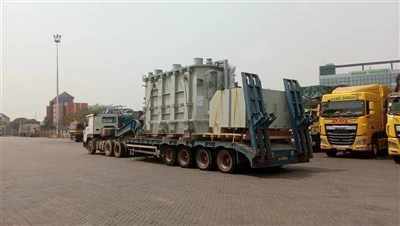
First, let’s get the most common question out of the way: Yes, you can ship art to South Africa—but there are specific rules to follow, and not all shipping providers make this process easy. Unlike generic package shipping, art requires extra care: proper packaging to protect fragile pieces, accurate customs documentation to avoid seizure, and compliance with South Africa’s import and tax laws that differ based on the type of art you’re sending. For example, a original painting you created for a gallery show has different requirements than a mass-produced print you’re selling on Etsy.
Let’s start with the critical part: Customs declarations and duties, which are the biggest pain points for first-time art shippers. South Africa’s customs authority, the South African Revenue Service (SARS), classifies art into two main categories for import: original works of art and reproductions (prints, posters, mass-produced sculptures, etc.). Each has its own duty and tax structure, so getting this right is non-negotiable.
Original works of art—think oil paintings, charcoal sketches, hand-carved sculptures by the artist—are often eligible for a lower duty rate or even duty-free status if certain conditions are met. To qualify for duty-free entry, your art must be “original” (defined as a one-of-a-kind piece, not a copy or mass-produced item), and you’ll need to provide a formal certificate of authenticity. This certificate should include your full name, the art’s title, medium, dimensions, date of creation, and a statement confirming it’s an original work by you. Without this, SARS will automatically classify your art as a commercial product, which attracts higher duties and VAT.
Reproductions, on the other hand, are treated as commercial goods. For these, you’ll pay a standard import duty (usually around 5% for art-related goods) plus South Africa’s 15% Value-Added Tax (VAT) on the total value of the art, including shipping costs and insurance. That said, there are exceptions for small, non-commercial shipments: if you’re sending art as a gift to a private individual, with no intention of resale, you can qualify for a duty and VAT exemption if the total value of the shipment is less than R1,000 (about $55 USD as of 2024). This is a key point for artists sending personal pieces to friends or displaying art in a local exhibition—just make sure you mark the “gift” box on your customs form and include a note explaining it’s not for sale.
Next, let’s talk about packaging, because art is fragile, and standard package boxes won’t cut it. I’ve seen too many artists send a painting in a regular cardboard box, only for it to arrive crumpled, torn, or with water damage from rain during transit. When shipping art to South Africa, your packaging needs to balance protection with compliance (customs agents will open and inspect packages, so overly bulky or unusual packaging can lead to delays). For flat works like paintings or prints, use acid-free paper to wrap the piece first—this prevents fading and damage during handling. Then, place it in a rigid cardboard mailer with a double layer of bubble wrap or foam padding on all sides. For 3D pieces like sculptures or pottery, use custom foam inserts or crates lined with shock-absorbent material, and clearly mark your package with “FRAGILE” and “HANDLE WITH CARE” in bold letters. As a South Africa Shipping provider, we also offer custom art packaging services for clients who want extra peace of mind, including climate-controlled packaging for sensitive works like watercolor paintings that can warp in extreme temperatures.
Another often-overlooked step is choosing the right shipping method. Not all couriers are equipped to handle high-value art shipments, and cutting corners on speed or insurance can lead to disaster. When shipping to South Africa, you have a few options: standard air freight, express courier, or sea freight for larger shipments. For smaller, personal art pieces (like a painting to a private collector), express courier is usually the best choice—it takes 3–5 business days, offers full tracking, and includes insurance for values up to R100,000 (about $5,500 USD). For larger shipments, like a full gallery collection, sea freight is more cost-effective, though it takes 4–6 weeks. Always make sure your shipping provider offers art-specific insurance that covers not just lost or damaged pieces, but also delays caused by customs inspections—this is standard with reputable South Africa Shipping providers, but be wary of providers that offer generic cargo insurance, which often excludes art.
Now, let’s address a common myth: You don’t need to register your art with any South African government body to import it. Unlike some countries, South Africa doesn’t require pre-approval for most art shipments, as long as you have the correct documentation. The only exception is if your art contains restricted items: for example, art that includes cultural artifacts, endangered species materials (like ivory, turtle shell), or copyrighted characters (from movies, games, etc.). If your art falls into any of these categories, you’ll need to apply for a separate import license from the South African Department of Trade, Industry and Competition (DTIC) before shipping. Most original contemporary art won’t trigger this, but it’s worth double-checking if your work has any unusual materials.
Let’s walk through a real example to make this concrete. Suppose you’re a freelance artist in the US, shipping an original oil painting (valued at $1,200 USD) to a collector in Cape Town. Here’s what you’ll need to do:
- Create a certificate of authenticity for the painting, confirming it’s your original work.
- Mark the customs form as “personal import of original art, non-commercial” if it’s a gift, or “commercial art import” if it’s a sale.
- Package the painting in a rigid, bubble-wrapped box, labeled “FRAGILE” and with your collector’s full South African address.
- Choose an express courier service with art insurance, and book the shipment with a provider that offers customs documentation support (like our South Africa Shipping team, who can help you fill out forms correctly to avoid delays).
You’ll pay around $80–$120 USD for the courier, plus any applicable duties and VAT. For a $1,200 original painting, duties will be 0% (since it’s original art) and VAT will be 15% of $1,200, or $180 USD. Total landed cost for your collector would be around $1,380 USD, which is standard for art imports to South Africa.
If you’re shipping multiple pieces or large sculptures, the process is similar, but you’ll need to list each piece individually on your customs form, including dimensions, medium, and value. For commercial shipments (like selling art through a South African gallery), you’ll also need to provide a commercial invoice with your business details, the buyer’s details, and a description of each art piece.
Now, what about delays? Even with perfect documentation, customs inspections can sometimes take 1–2 extra days, especially during peak seasons like holiday periods. That’s why working with a local South Africa Shipping provider is a game-changer—we have existing relationships with SARS and local customs brokers, which means we can resolve any documentation issues quickly, instead of you waiting on hold with a foreign courier’s support team. We also offer door-to-door service, so your art is picked up from your studio or home and delivered directly to your customer, no extra steps for you.
One final tip: Keep copies of all your documentation (certificate of authenticity, commercial invoice, customs forms) for at least 3 years after shipping. This is important if SARS ever questions the value or classification of your art, or if you need to file an insurance claim for a damaged shipment.
At the end of the day, shipping art to South Africa doesn’t have to be stressful. The key is to work with a provider who understands the unique needs of art shipments, has local expertise in South Africa’s customs rules, and offers tailored solutions for both personal and commercial art delivery. Whether you’re a small artist sending your first work to a collector, or a gallery expanding into the South African market, we can help you navigate every step—from packaging and documentation to customs clearance and last-mile delivery.
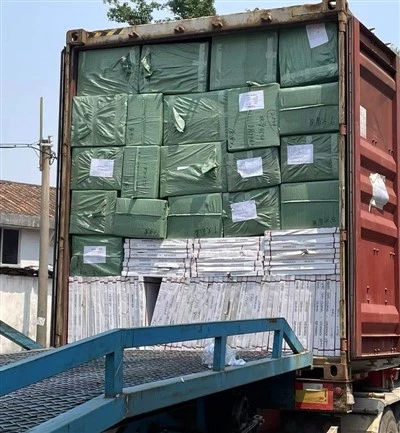
If you’re ready to ship art to South Africa and want to avoid the headaches of navigating the process alone, reach out to our team today to discuss your specific needs. We’ll provide a customized quote, answer any questions about duties or packaging, and make sure your art arrives safely and on time.
South Africa Shipping References
- South African Revenue Service. Import of Goods: Duty and VAT Rates for Art and Cultural Products.
- Department of Trade, Industry and Competition. Import Licensing Requirements for Restricted Art and Cultural Items.
- International Air Transport Association. Best Practices for Shipping Fine Art Internationally.
- South African Courier and Logistics Association. 2024 Guidelines for Cross-Border Art Shipments.
Speed Supply Chain (Guangzhou) Co., Limited
Speed Supply Chain (Guangzhou) Co., Limited is a licensed NVOCC and first-level freight forwarder in China. With a professional team, we deliver reliable, efficient and cost-effective south africa shipping service for global customers. If you have any enquiry about quotation, please feel free to email us.
Address: Room 2001-2002, Dongzhao Building, No. 515 Dongfeng Middle Road, Yuexiu District, Guangzhou, Guangdong, China
E-mail: mika.li@speedsucc.com
WebSite: https://www.speedsupplychain.com/
