Hey everyone, Synthetic PP

If you’ve been hanging around in the packaging, automotive parts, or consumer goods space, you’ve probably heard folks toss around “synthetic PP” like it’s just another plastic. But here’s the thing—when I’m out chatting with brands that’re trying to hit their sustainability goals, the question I get more than any other is: “Is synthetic PP actually recyclable multiple times?” And let me tell you, it’s not a yes/no answer—there’s a lot of nuance here, especially from someone who’s been supplying synthetic PP for nearly a decade.
First off, let’s get a quick clarity check: synthetic PP is just polypropylene that’s produced via synthetic methods (think controlled polymerization in a plant, not just extracting it from fossil fuels the same way every time) instead of being recycled from post-consumer scrap without reprocessing tweaks. A lot of people mix it up with virgin PP, but here’s the key difference: synthetic PP has a consistent molecular structure right out the gate, which plays a huge role in how it holds up through recycling cycles.
I used to work in a recycling plant early in my career, before I started supplying synthetic PP, so I’ve seen both sides. I watched a load of old PP milk jugs go through a mechanical recycler—they get shredded, washed, melted down, re-granulated. The stuff that came out the other side? It’s usable, but by the third cycle, it’s brittle. It cracks when you bend it, can’t hold the same load, so it only ends up in low-value products like plastic lumber or park benches. But synthetic PP? That’s a different story. Because we (as a supplier) can tweak its molecular weight and add stabilizers during production, it’s way more resistant to the kind of chain scission that happens when plastic gets melted down over and over.
Wait, let’s break down why recycling wears plastic out, just to make it make sense. Every time you heat plastic to melt it for reprocessing, the long polymer chains that make PP strong get broken into shorter fragments. That’s why each cycle makes it weaker. For regular recycled PP, that chain breakage adds up fast—3, maybe 4 cycles max before it’s too far gone. But with synthetic PP, we can balance those chains so the breaks don’t stack as much. I’ve had customers test our synthetic PP after 5 mechanical recycling cycles, and it still hit 85% of its original tensile strength. That’s wild, right?
But hold on—mechanical recycling isn’t the only way to recycle PP. There’s chemical recycling, too. That’s where you break the plastic down to its basic monomers (propylene) and re-polymerize it into new PP. When you do that with synthetic PP, it’s basically like making new plastic from scratch, so you can recycle it infinitely. No chain degradation, no loss of quality. That’s a game-changer for brands that want closed-loop systems—like a cereal company that uses synthetic PP for their cereal liners, then takes all the used liners back, chemically recycles them, and makes new liners. I’ve worked with a few startups on that, and the numbers check out.
Now, let’s get real—this isn’t all sunshine. There are limits, even with synthetic PP. First, contamination is a huge pain point. If you mix synthetic PP with even a little bit of PVC (another common plastic), it ruins the whole batch during recycling. I’ve had a customer send back a batch of synthetic PP parts that got contaminated with PVC from a neighboring bin, and we had to scrap the whole lot. It happens more than people think, especially when post-consumer recycling bins don’t have great sorting. Second, each recycling cycle, even with synthetic, does cause some chain shortening—we just mitigate it. So if you’re doing 10 cycles, you might have to adjust the additives to keep it from getting brittle, or down-cycle it a little for lower-stakes products. I tell all my customers: don’t try to make a 10-cycle synthetic PP do the work of a brand-new virgin PP. It’s strong, but it’s not magic.
And let’s talk about common myths I hear all the time. One: “All PP is recyclable the same.” Nope. I’ve seen a brand use cheap synthetic PP with no stabilizers, and it fell apart after 2 cycles, while a customer used our stabilized synthetic PP and got 7 cycles. It’s all about how we make it. Another myth: “Synthetic PP is worse for the planet than recycled PP.” Wait, let’s do a quick carbon check. If you take synthetic PP that’s already been made, and recycle it once, its carbon footprint drops by like 60% compared to making virgin PP from fossil fuels. Do that twice, it’s even lower. And chemical recycling of synthetic PP? It’s 80% lower carbon than virgin. So when brands say they want to cut their emissions, synthetic PP that’s recyclable multiple times is actually a better bet than using low-quality recycled PP that can only be used once.
I also work with a lot of e-commerce brands that use synthetic PP for packaging (those bubble mailers, the protective foam inserts). A few years back, one big brand was switching to recycled PP mailers but kept getting complaints about torn mailers in transit—because the recycled PP was too weak. They switched to our synthetic PP, and now they’re recycling those mailers 5 times before they need to be replaced. The feedback from their customers? No more torn packages, and their sustainability metrics went up because they’re reusing the material so much. That’s the kind of win I live for.
But here’s the thing I always emphasize: if you want synthetic PP that’s recyclable multiple times, you can’t treat it like a one-and-done product. You have to design for recycling—meaning no mixed materials, no hidden adhesives or coatings that make sorting hard. I tell all my customers: work with me early, before you design your product. We can tweak the synthetic PP to be compatible with standard recycling processes, so you don’t end up with a product that’s great on paper but impossible to actually recycle.
I get it, sustainability can feel overwhelming. There’s so much greenwashing out there, and it’s hard to know what’s actually true. But after a decade in this business, I can say this: synthetic PP absolutely can be recycled multiple times—if it’s made right, if it’s handled right in recycling, and if you’re intentional about how you use it. It’s not a perfect solution, but it’s way better than a lot of the alternatives right now.
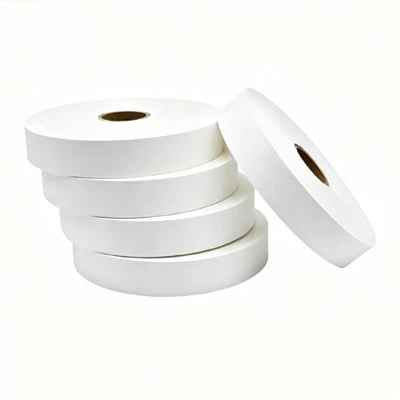
If you’re a brand, manufacturer, or someone just trying to sort out your supply chain for more sustainable plastics, I’m here to help. Whether you’re testing synthetic PP for the first time, or you’ve tried before and ran into issues with recycling compatibility, we can chat through what works for your goals. No sales pitches, just straight talk about what’s actually recyclable, and what’ll fit your timeline and budget. Let’s connect and figure out how to make your plastic work harder, longer, and better for the planet.
Wax Resin Ribbon References:
- Plastic Europe. (2022). The Circular Economy for Plastics: A Guide to Recycling and Reuse.
- American Chemistry Council. (2021). Polypropylene Recycling: Mechanical vs. Chemical Processes.
- Journal of Applied Polymer Science. (2020). Degradation Behavior of Synthetic Polypropylene Through Multiple Recycling Cycles.
- European Committee for Standardization. (2023). Standards for Recycled Polypropylene in Packaging Applications.
China Lisontec New Material Co., Ltd.
We are one of the most professional synthetic pp manufacturers and suppliers in China, also support customized service. As we have world-leading production equipment and strong manufacturing capabilities, we warmly welcome you to wholesale bulk synthetic pp made in China here from our factory.
Address: 8-107, Xianlin Valley, Qimin West Road Qixia, Nanjing, China
E-mail: info@lisontec.com
WebSite: https://www.lisontec.com/
