If you’ve ever spent time on a boat — whether it’s a small weekend cruiser or a 100-foot yacht — you probably know that sewage systems on marine vessels work way differently than the ones at home. On land, you just flush and forget, but at sea, there are a whole bunch of rules, technical hoops, and practical limits that come with using a sewage pump. As a supplier who’s dealt with hundreds of boat captains, mechanics, and even liveaboard homeowners over the last 12 years, I’ve seen folks skip these requirements more times than I can count, and it almost always leads to big headaches: clogged pumps, hefty fines, or even having to limp into a port for repairs at the worst possible time. So let’s break down exactly what you need to get right when using a sewage pump for marine use, no stuffy jargon, just straight-up what we see every day. Sewage Pump
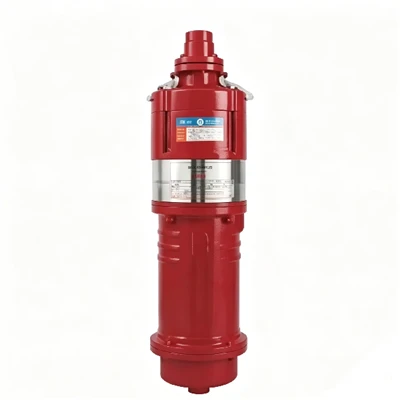
First off, you can’t talk about marine sewage pumps without hitting the regulatory stuff, and it’s not just a suggestion. Most countries around the world have laws that govern what gets dumped overboard, and the rules shift depending on where you are. In the US, for example, the Environmental Protection Agency (EPA) enforces the Marine Sanitation Device (MSD) standards, which split vessels into three categories. If your boat is under 65 feet, you can’t just have a basic pump that flushes raw sewage straight into the ocean — that’s illegal in most coastal areas. Even in international waters, a lot of popular cruising routes (like the Caribbean or Mediterranean) have their own no-discharge zones, where pumping sewage overboard at all is banned until you’re at least 3 miles from shore. I’ve had a customer out of Miami get a $1,200 fine because he dumped raw sewage too close to Key West, and he had no clue that the rule applied even to small fishing boats. The key here is: know your local port rules, and don’t cut corners. It’s not just about avoiding tickets — dumping raw sewage hurts marine life, so most marinas will turn away vessels that can’t prove their pumps meet MSD standards if you’re trying to use their waste facilities.
Next, the pump’s compatibility with marine-specific waste is non-negotiable, and this is where a lot of first-time buyers mess up. A sewage pump you’d use in a home basement is not the same as one for a boat. Marine sewage isn’t just water and toilet paper — it has things like dental floss, wet wipes (even the “flushable” kind, which usually aren’t), and food scraps if you have a galley bathroom. Those items get tangled or stuck in regular pumps, which have impellers with tight gaps. Marine sewage pumps are built with wider impellers, often called “non-clog” or “grinder” impellers, that can chop up solid waste into smaller pieces without jamming. I once sold a pump to a guy who tried using a basement sump pump on his 22-foot sailboat; within two weeks, it was completely clogged with a single paper towel, and he had to pay a mechanic $400 to take it apart in the rain. Also, marine pumps have to handle saltwater, which is way more corrosive than freshwater. A pump made for home use might be plastic, but marine versions usually have bronze or stainless steel components, or are coated with a special anti-corrosion paint. If you use a freshwater pump on a saltwater boat, it’ll rust out in six months — I’ve seen that happen way too often to count.
Then there’s the installation side, which is where even good pumps go bad if done wrong. On a boat, space is at a premium, so a lot of folks try to cram a sewage pump into a tiny compartment, and that’s a mistake. The pump needs proper ventilation to prevent gas buildup — sewage gives off methane, which is flammable, and if it gets trapped in a small, closed space, it can be a fire hazard. You also need the right piping: marine plumbing can’t use regular PVC pipe, because saltwater and constant vibration from the engine will make it crack over time. You need Schedule 40 PVC specifically rated for marine use, or even better, reinforced rubber piping that can handle the movement of the boat. Another big installation mistake is not mounting the pump at the right height. If you mount it too high, the sewage won’t flow into the pump properly, leading to air locks that make the pump run dry. Run-dry operation kills pumps fast — they’re designed to move liquid, not air, and running them without water for even a minute can burn out the motor. We always tell customers to mount the pump as close to the lowest point of the bilge or the toilet as possible, that way gravity helps pull the waste into the pump, reducing strain on the motor.
Maintenance is another requirement that’s easy to overlook, but it’s what keeps your pump working for years, not just months. On land, you might clean a sewage pump once a year, but on a boat, you need to do it way more often — at least every two weeks if you use the toilet regularly, and after every long cruise. The good news is, marine pumps are pretty easy to maintain: you can flush them with fresh water after every use to get rid of salt and waste buildup, and check the impeller for any tangles or wear. If you notice the pump making a weird grinding noise or taking longer than usual to empty the holding tank, that’s a sign you need to clean it, not wait till it clogs. I’ve had customers go six months without maintaining their pump, and when they finally opened it up, there was a mix of toilet paper, food scraps, and even a small plastic toy inside — the pump was completely destroyed. Also, you should test the pump before every big trip. A lot of people wait till they’re 20 miles out at sea to realize their pump doesn’t work, and then they have to use a manual bilge pump, which is no fun when it’s choppy and you’re stuck with a broken system.
Wait, let’s talk about holding tanks, too — because the pump doesn’t work in a vacuum. If your holding tank is too small, the pump will have to cycle way too often, which wears it out faster. If it’s too big, you might be tempted to dump it illegally when you’re far from a marina. For a small boat (under 30 feet), a holding tank of 10 to 15 gallons is usually enough, and for a larger vessel, 30 to 50 gallons works. You also need a way to tell when the tank is full — a simple float switch connected to a light or alarm on the dash will save you from overworking the pump. A common mistake here is ignoring the alarm; if the tank is full and you keep running the pump, it’s pushing against a solid wall, which can burn out the motor or even crack the tank. We always include a basic float switch with every pump we sell, because trying to rig one up yourself usually leads to problems.
Another thing: power supply. Marine engines run on a mix of 12V, 24V, or 120V systems, and your pump has to match that. A lot of cheap pumps on the market are made for 12V, but if your boat has a 24V system, you’ll either burn out the motor instantly or have it run at half power. I once had a customer who bought a pump online that was 12V for his 24V sailboat; he plugged it in, and the motor smoked right away. He had to buy a whole new pump, plus a converter, which cost him twice as much as the original cheap pump. Always double-check your boat’s voltage before buying a pump, and make sure the pump’s power draw is compatible with your battery. If you have a small battery bank, a high-power pump might drain your battery overnight, which is a problem if you’re anchored out and need power for lights or a fridge.
Let’s also touch on emergencies. Even with all the right requirements in place, pumps can break, so you need a backup. A manual backup pump — like a hand-operated bilge pump — should be part of your marine sewage system, because if the electric pump dies, you don’t want to be stuck flushing by hand with a bucket. I recommend keeping a spare impeller and a few basic tools in your boat’s toolbox too, so you can fix a small clog or replace a worn impeller mid-cruise without having to call for a tow.
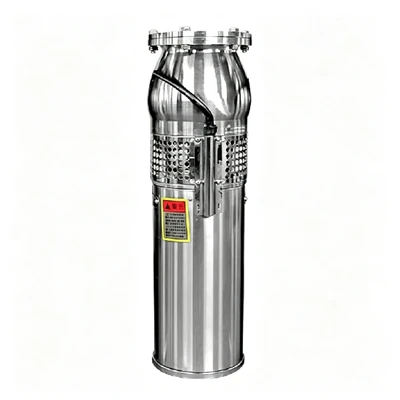
Look, I get it — when you’re outfitting a boat, there are a million things to buy, and the sewage pump might seem like an afterthought. But from my 12 years as a sewage pump supplier, I can tell you that skipping any of these requirements will cost you way more in the long run. Whether it’s a fine, a ruined pump, or a day of repairs at a port, it’s not worth cutting corners. If you’re outfitting a new boat, replacing an old pump, or just want to make sure your existing system is up to code, get in touch with our team. We can walk you through the regulatory rules for your area, help you pick the right pump for your boat’s size and system, and even point you to trusted mechanics who can handle installation. Don’t wait till your pump fails mid-vacation — reach out and let’s make sure your marine sewage system is solid.
Oil-Immersed Pump References
- U.S. Environmental Protection Agency. "Marine Sanitation Devices: Requirements and Standards."
- International Maritime Organization. "MARPOL Annex IV: Regulations for the Prevention of Pollution by Sewage from Ships."
- National Marine Manufacturers Association. "Marine Pump Selection and Installation Guidelines."
- American Boat and Yacht Council. "ABYC E-11: Sanitation Systems Standard."
Longbiao Pump Industry Co., Ltd.
We are one of the most professional sewage pump manufacturers and suppliers in China, featured by quality products and low price. Please rest assured to buy discount sewage pump for sale here from our factory. We also accept customized orders.
Address: Unit 101, Building 11, Pan’ao Entrepreneurship Park, Daxi Town, Wenling City, Taizhou City, Zhejiang Province, P.R. China
E-mail: 1653746797@qq.com
WebSite: https://www.cnlongbiao.com/
