If you’ve ever walked a craft fair after dark and spotted a piece that glowed like it had a secret, chances are that piece used fluorescent fabric. As someone who’s been in the fluorescent fabric game for years—supplying everything from small batch artists to big install teams— I get asked this question all the time: can fluorescent fabric actually work for art projects? Spoiler: yeah, it’s way more versatile than people think, and the best part is you don’t need a degree in chemistry to pull it off. Fluorescent Fabric
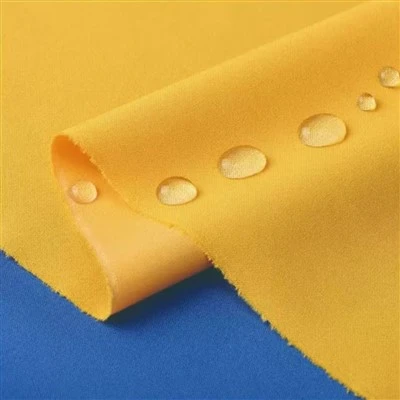
Let’s start with the basics to clear up a common mix-up: fluorescent vs. phosphorescent fabric. A lot of folks confuse the two, and it makes total sense. Both glow in low light, but they do it differently. Phosphorescent soaks up light (any light—sun, LED, even a phone flashlight) and holds it for hours, like those glow-in-the-dark stars on your childhood ceiling. Fluorescent, on the other hand, absorbs invisible ultraviolet (UV) light from blacklights and converts it into bright, visible color. That’s why that neon costume you wore to a rave popped so hard under blacklights, but looked pretty dull in the sun. For art projects, that difference is huge. If you’re making a piece that’s meant to take center stage in a dim gallery, fluorescent is going to blow phosphorescent out of the water for vibrancy.
I’ve seen this play out time and time again. Last year, a street artist in Brooklyn hit me up to source fabric for his outdoor mural-adjacent installation. He wanted something that would stand out at night during his late-night art walks but not look like a traffic cone in the daytime (he joked he didn’t want to scare the neighborhood dogs). We ended up sending him a mid-weight polyester fluorescent spandex blend—soft enough to hang loosely, not too stiff. During the day, it’s a muted, almost pearlescent pale pink that blends into the side of a brick wall. Flip on a single blacklight, and it lights up like a hot pink neon sign that draws eyes from a block away. He told me later it was the part of the installation that got the most photos, and half the people who stopped to take pics didn’t even know it was fluorescent fabric—they just thought it was some fancy custom neon until I mentioned it.
But fluorescent fabric isn’t just for neon street art. It works for every kind of art project, as long as you pick the right type for your needs. Let’s break down the most common uses I see, and how fabric type makes a difference.
First, textile art and fiber installations. A few months back, a mixed-media artist in Chicago used our fluorescent organza for a site-specific piece in a small gallery. Organza is super sheer, lightweight, and has that crisp, floaty texture that makes it perfect for hanging pieces. She cut strips of neon orange organza, tied them to a wooden frame, and arranged them in soft waves. In daylight, it’s a translucent, light golden orange. Under the gallery’s blacklights (which they dimmed just enough to keep the rest of the space calm), the strips glowed so bright they looked like they were lit from inside. She told me visitors would stand in front of it for 10 minutes just staring, and some even thought there were hidden LED strips woven in. Nope—just fabric, and a little UV light. The key here was organza: it lets the UV light pass through evenly, so the glow is consistent across every strip, no dull spots.
Then there’s wearable art and performance pieces. Dance companies, theater troupes, even drag artists are all jumping on fluorescent fabric now, and for good reason. A dance collective in Austin hit me up last year for neon yellow cotton jersey to make costumes for a night-time street performance. Jersey is stretchy, soft, and holds its shape really well—perfect for dance costumes that need to move with the performers. They paired it with plain black base layers, so when the lights went down and a few blacklights turned on, the costumes popped without looking over-the-top. One of the dancers even told me they got complimented more on their costume than the headliner’s outfit that night. The best part? If you wash it right, fluorescent fabric keeps its glow for years. I’ve had customers who’ve had pieces from their first theater show still glowing bright after 5+ washes—you just can’t use bleach, obviously, and stick to cold water, and it lasts.
Wait, but what about smaller, more personal art projects? Like handmade wall art, tote bags, or even custom tapestries? Fluorescent fabric works here too—you don’t need a big gallery or a performance space. I know a graphic designer in Portland who uses our fluorescent cotton canvas to make custom wall hangings. Canvas is sturdy, holds paint and ink really well, so she paints designs on the fabric, then when she hangs it in her living room and turns on a blacklight string light at night, the designs pop. A lot of people also use it to make custom tote bags that stand out at music festivals: paint a logo, add a patch, and under a blacklight, it’s impossible to miss. Tote bags are even easy to customize—you can sew, paint, iron-on vinyl, whatever, as long as you’re not using something that blocks the UV light (no thick paint, basically—stick to thin fabric paint, and it works fine).
Now, let’s talk about the big question: is it actually durable? I get this all the time, especially from artists who are worried about their work lasting. Fluorescent fabric is just regular fabric with fluorescent dye applied to it—modern production methods mean the dye bonds to the fibers, so it doesn’t wash out or rub off easily. The only thing you have to watch is harsh chemicals: bleach, chlorine, or even strong fabric softeners can break down the dye over time. But for art pieces that don’t get washed super often (like wall hangings, installations, costumes that are only worn for shows), that’s not a problem. For wearable stuff you want to wash, just cold water, gentle cycle, no bleach, and it’ll glow for years. I’ve had one customer who uses the same fluorescent fabric for annual Halloween costumes—she’s had three costumes from us, all still glowing after 6 years.
There’s also a myth that fluorescent fabric is only for neon colors, but that’s totally not true. We stock fluorescent versions of almost every color—mint green, lavender, even a soft peach that’s not too bright during the day, but glows bright under blacklight. It’s perfect for artists who want a subtle pop instead of a full-on neon look. A lot of gallery curators love this because it adds depth to a piece, not just a flat bright color.
I’ve seen so many cool projects that people came up with on a whim. Last year, a group of high school art students used our fluorescent mesh to make a community banner for their school’s night-time spirit week. Mesh is lightweight, lets wind pass through, so it’s perfect for hanging outside. They painted a simple logo on it, added some LED strips behind it, and during the night football game, it glowed so bright the band could see it from the field. The best part? It cost way less than a custom neon sign, and they could take it down and reuse it for other events. That’s one of my favorite things about fluorescent fabric for art—it’s way more affordable than a lot of other glow options, and way more versatile. You can hang it, sew it, paint it, cut it into any shape you want—no special skills needed, really.
Now, let’s get real about what works, and what doesn’t. Fluorescent fabric only glows when there’s UV light present. If you’re planning a piece that’s going to be out in direct sunlight all day, it’ll look cool but the glow won’t be visible unless there’s a blacklight nearby. If you want something that glows in the dark without a blacklight, you need phosphorescent fabric, which is a different product. But for almost every indoor or evening art project, fluorescent is the way to go. It’s brighter, more vibrant, and way easier to work with than phosphorescent for most people.
I’ve also worked with a lot of artists who were nervous to try fluorescent fabric because they thought it would look cheap. Let me tell you, modern fluorescent fabrics are high quality—we use 100% cotton, polyester blends, organza, canvas, all kinds of materials, so you can get something that looks expensive, not like a craft store cheapie. A lot of gallery artists use our fabric for professional shows, so it’s not just for hobbyists.
If you’re thinking about trying fluorescent fabric for your next art project, my best tip is to start small. Order a swatch (we have those, super cheap) to test how it glows under your chosen lighting, and what it looks like in your space. Different fabrics glow differently—organza is more translucent, spandex is more stretchy, canvas is more rigid, so a swatch will help you pick the right one for what you’re making.
At the end of the day, fluorescent fabric isn’t just for rave costumes or traffic signs. It’s a tool that artists are using to make work that stands out, that makes people stop and look, that has a little extra magic when the lights go down. I’ve been supplying this fabric for years, and I still get excited when I see the cool stuff artists make with it—from tiny wall hangings to big outdoor installations. It’s affordable, versatile, and way easier to work with than you might think.

If you’re ready to source fluorescent fabric for your next art project, hit us up to discuss your needs. Whether you’re a hobbyist making a small wall hanging, a professional artist working on a gallery show, or a group planning a community event, we can help you pick the right fabric, give you tips for working with it, and get you what you need. No project is too big or too small, and we’re here to answer any questions you have along the way.
Anti-static Fabric References
- "Fluorescent vs. Phosphorescent Materials: Key Differences for Textile Applications," Textile Research Journal, 2022.
- "Durability of Fluorescent Dyes in Textile Fabrics," Journal of Textile and Apparel, Technology and Management, 2021.
- "UV-Activated Textiles for Art and Design," International Journal of Fashion Design, Technology and Education, 2020.
Wujiang Jiashunxin Spray Weaving Co., Ltd.
As one of the most professional fluorescent fabric manufacturers and suppliers in China, we’re featured by quality products and good service. We warmly welcome you to wholesale bulk customized fluorescent fabric from our factory. If you have any enquiry about free sample, please feel free to email us.
Address: Xingli New Village, Lili Town, Wujiang District, Suzhou City, Jiangsu Province
E-mail: xuzhiqiang20260525@163.com
WebSite: https://www.shunbangfabric.com/
