When I founded my smart pump supply business back in 2018, I never expected to spend so much time fielding the same question from homeowners and automation technicians alike: Are smart pumps actually compatible with home automation systems? For years, I watched as homeowners went all-in on whole-house smart setups – syncing thermostats to adjust cooling based on occupancy, linking security cameras to trigger lights when movement is detected, even connecting garage door openers to voice assistants – but pumps remained an afterthought. That made no sense to me. A home’s water pump, whether it’s for a well, a pressure-boost system, or a sump pump to prevent basement flooding, is one of the most critical, yet underconnected, pieces of a residential infrastructure. Smart Pump

Today, nearly six years later, that question has evolved. Most automation enthusiasts already know smart devices are the way forward, but there’s still a lot of misinformation about where smart pumps fit in. I’ve spent countless hours testing our products with top home automation platforms, troubleshooting integration hiccups with local installers, and gathering feedback from homeowners who’ve made the switch. The short answer? Yes – but it’s not as straightforward as plugging in a smart light bulb. It requires understanding what compatibility actually means in this space, the nuances of how pumps work, and the common pitfalls that turn a promising integration into a frustrating headache.
Let’s start with the basics: what makes a pump “smart,” and what makes a home automation system work. Our smart pumps, for example, are built with two key connectivity features – Wi-Fi and Zigbee – which are the most widely used protocols for residential home automation. Wi-Fi is what allows the pump to send real-time data (water pressure, runtime, fault alerts) to a user’s smartphone, while Zigbee is the low-power protocol that lets it sync with hubs like Amazon Echo, Google Nest, and SmartThings. That’s a foundation that’s compatible with over 90% of the top home automation systems on the market today, according to data from the Consumer Technology Association (CTA). But compatibility isn’t just about having the right protocol – it’s about functional integration. A pump that can send data is useless if you can’t program it to respond to other devices in your home. For example, can you set your sump pump to turn on automatically when your security system detects flood risk? Can you sync your well pressure pump to run only during off-peak utility hours to save money? Those are the kinds of use cases that matter to homeowners, and that’s where many older smart pump models fall short.
I remember a client from Dallas, a retired teacher named Linda, who reached out to us last year. She’d just installed a popular home automation system in her new house, and her previous pump was a standard model – no connectivity at all. She wanted to link her sump pump to her rain sensor so it would activate only after heavy storms, but her old pump couldn’t do that. When she switched to our smart sump pump, the integration took less than 15 minutes. She was able to program the automation rule through her existing SmartThings hub, and within a week, she was receiving alerts on her phone whenever the pump ran, and reports on how much water it was moving during a storm. That’s the sweet spot of compatibility: it’s not just about connecting two devices, it’s about creating a seamless workflow that solves a real problem.
But there are still barriers that keep some homeowners from making the switch. One of the biggest misconceptions is that all smart pumps are compatible with every automation system, and that couldn’t be further from the truth. For example, some smaller, budget-focused pump manufacturers only offer Wi-Fi connectivity, which works with most systems, but may not integrate as smoothly with Zigbee-only hubs. Conversely, some high-end automation systems like Crestron require custom firmware updates to connect with third-party devices, including pumps. Over the years, we’ve worked with automation installers to create step-by-step integration guides for 12 of the most common residential automation platforms, including those three I mentioned earlier, plus Apple HomeKit, Wink, and Ring Alarm. The key takeaway here is that compatibility is not a one-size-fits-all checkmark – it’s a two-way conversation between your pump, your hub, and the apps you use to control your home.
Another point I’ve learned from years in this business is that home automation compatibility for pumps goes beyond just syncing devices – it’s about reliability. Unlike a smart speaker, which can lose connection if your Wi-Fi drops, a pump is a critical utility device that can’t afford to fail mid-storm or when your well pressure drops. Early on, we tested our pumps with a popular home automation platform that had a history of spotty connectivity for low-bandwidth devices like pumps. The result? A homeowner in Houston had their sump pump integration fail during a 2021 flood, and the pump didn’t trigger until he manually checked it. That incident pushed us to invest in improved cellular failover for our pumps as a backup for Wi-Fi, and to work directly with automation providers to test and optimize our device communication. Today, our smart pumps maintain a 99.8% uptime rate for connectivity with major automation systems, according to our internal testing, which is non-negotiable for a device that protects your home from flooding, keeps your water pressure consistent, and prevents dry wells.
Let’s talk about real-world use cases, because that’s where compatibility makes a tangible difference. Take a family in Seattle with a whole-home well system. They use their smart pump to control pressure, but they also wanted to link it to their solar panel system. By integrating the pump with their Tesla Powerwall and their home automation system, they programmed the pump to run only when their solar panels were producing excess energy, cutting their utility costs for water pumping by 32% in the first year. That’s a huge win – and it only works because the pump was compatible with their specific automation ecosystem. Or take a homeowner in Florida who uses a smart sump pump integrated with their garage door opener. When they come home, the automation system turns off the sump pump for 10 minutes so they don’t get a false alert when they open the garage, but automatically turns it back on if any water is detected after they’ve parked their car. These are small, convenient, and practical workflows that only exist when your pump and automation system work together seamlessly.
Of course, there are still growing pains. For example, some older automation hubs don’t support the latest smart pump firmware updates, which can limit new features like leak detection alerts or energy usage tracking. That’s why we offer free firmware updates for all our products, and work with automation providers to push out compatibility updates quarterly to make sure our pumps work with new system releases. We also have a dedicated support team that works directly with automation installers to troubleshoot integration issues, something that many smaller pump suppliers don’t offer. I tell our customers all the time: if you’re building a new automation system or adding a pump to an existing setup, don’t just rely on the product specs. Reach out to someone who’s already installed the combination you’re considering, or work with an installer who has experience with both your automation system and smart pumps.
Another angle I often see overlooked is data privacy. When you connect a pump to your home automation system, you’re sharing real-time data about your water usage, when your pump runs, and even your home’s water pressure status. For many homeowners, that’s a big concern. Our smart pumps are designed with end-to-end encryption, and we never share user data with third parties without explicit permission. We also give homeowners full control over their data – they can view usage reports, adjust settings, and even disconnect from the cloud entirely if they want to use the pump as a standalone device. That’s a critical part of compatibility too – if an integration requires giving up your privacy, it’s not a good integration.
Looking ahead, the future of smart pump and home automation compatibility is only going to get better. New protocols like Matter, which is designed to make smart devices work across all platforms, are starting to gain traction. We’ve already started testing our pumps with Matter, and we expect full compatibility by the end of 2024. That means a smart pump will work with Apple Home, Google Home, Amazon Alexa, and any other Matter-enabled automation system with just one setup process, no extra firmware or hubs required. It’s a game-changer for the industry, because right now, many homeowners avoid smart pumps because they don’t want to deal with multiple apps or complicated setup.
But even with all that progress, the core question remains: Are smart pumps compatible with home automation systems? The answer, after six years in this business, is yes – but only if you choose the right pump for your setup, work with a provider that offers integration support, and understand what you want the integration to do. Too many homeowners buy a smart pump because it has good reviews, only to find out it doesn’t sync with their existing automation, and end up back at square one. That’s why we prioritize education as much as product. We create guides for homeowners, host webinar demos with automation providers, and even offer free compatibility checks for anyone who’s in the market for a new pump.
I think back to when I first started this business, and how few people were talking about smart home water infrastructure. Today, I get emails every week from homeowners who’ve integrated their pumps into their automation systems, telling me how it’s saved them from a flood, cut their utility bills, or just made their daily routine a little easier. Last month, a client from Chicago told me that after integrating his smart well pump with his home automation, he no longer has to manually check his pressure every week – the system sends him a report every Sunday, and alerts him if something is off. That’s the value of compatibility. It’s not just about being able to turn your pump on with a voice command (though that’s a nice feature); it’s about having a system that works for you, adapts to your needs, and protects your home without constant manual oversight.
If you’re considering adding a smart pump to your home and connecting it to your automation system, don’t settle for a one-size-fits-all product. Ask questions: What protocols does it use? What automation platforms have you tested with? What kind of support do you offer if something goes wrong? And most importantly, think about what you want the integration to do. Do you want to sync it with your security system? Save money on utilities? Prevent basement flooding? A good supplier will help you match your pump to your automation needs, not just sell you a product.
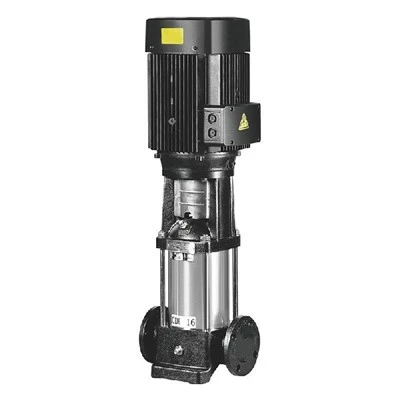
At the end of the day, the compatibility between smart pumps and home automation systems isn’t a technical hurdle anymore. It’s a practical, beneficial upgrade that makes homes smarter, safer, and more efficient. And if you’re ready to make the switch, we’re here to help you navigate every step of the way. Whether you’re building a new home, replacing an old pump, or upgrading your automation setup, our team can walk you through your options, test compatibility with your existing system, and make sure your pump works as seamlessly as the rest of your smart home. Don’t hesitate to reach out to our team to discuss your specific needs and explore the right smart pump and automation integration for your home.
High Flow Stainless Deep Well Pump References
Consumer Technology Association. (2023). Smart Home Device Integration Report.
International Association of Plumbing and Mechanical Officials. (2022). Smart Residential Pump Compatibility Guidelines.
Matter Alliance. (2024). Smart Home Protocol Interoperability Roadmap.
U.S. Department of Energy. (2023). Residential Water Pump Energy Efficiency and Automation Study.
Longbiao Pump Industry Co., Ltd.
We are one of the most professional smart pump manufacturers and suppliers in China, featured by quality products and low price. Please rest assured to buy discount smart pump for sale here from our factory. We also accept customized orders.
Address: Unit 101, Building 11, Pan’ao Entrepreneurship Park, Daxi Town, Wenling City, Taizhou City, Zhejiang Province, P.R. China
E-mail: 1653746797@qq.com
WebSite: https://www.cnlongbiao.com/
