Hey there, fellow builders, DIY enthusiasts, and anyone who’s ever stared at a stack of fireproof boards and wondered how to tackle that cut they’ve been needing to make. I’m Mia, and for the last seven years, I’ve run the day-to-day operations of a Fireproof Board Series supplier—we’ve got everything from commercial-grade gypsum core boards for office walls to high-density cement-based panels for exterior cladding, and I’ve fielded more questions about cutting these materials than I can count. The one that pops up most often lately? “Can I use a jigsaw to cut fireproof board series?” Fireproof Board Series

I get why this question’s so common. Jigsaws are workhorses—portable, versatile, and way easier to haul to a job site than a circular saw or a tile saw, especially when you’re working in tight corners or getting into awkward nooks around electrical boxes or plumbing runs. But fireproof boards aren’t your standard pine plywood; they’re engineered with specific compounds to resist heat, flame, and even moisture, so cutting them with the wrong tool can lead to messy cuts, ruined material, and even safety risks down the line. Today, I’m breaking this down from both my years as a supplier and the hands-on advice I give to contractors who rely on our Fireproof Board Series every day.
First, let’s start with what fireproof boards actually are, because not all of them are created equal. Our Fireproof Board Series includes three main product lines, and each one has different properties that matter for cutting:
- Gypsum-based fireproof boards: These are the most common—think the boards used in interior walls, fire separators between apartments, or around furnace rooms. They have a core of gypsum (calcium sulfate dihydrate) mixed with fiber additives, wrapped in a paper facing. The fireproofing here comes from the water in the gypsum core; when heated, that water evaporates instead of letting the board catch fire, slowing the spread of flames.
- High-density cement fireproof boards: These are for exterior use, pool areas, or high-moisture commercial spaces like commercial kitchens. No paper facing here—they’re made of Portland cement, reinforced with fiberglass or cellulose, and treated to resist both fire and water. They’re way denser and more brittle than gypsum boards.
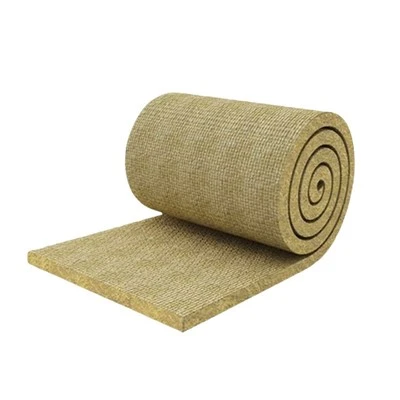
- Mineral wool fireproof boards: Less common for general construction, but used in industrial settings or as insulation in ductwork. They’re lightweight, fluffy, and made of spun mineral fibers, with fire resistance from the inorganic mineral content.
Now, back to the jigsaw question. Short answer: Yes, you can use a jigsaw for some of our Fireproof Board Series, but not all—and only if you use the right blade, and follow specific steps to avoid issues. Let’s break this down by product line, because that’s where most people get tripped up.
Starting with gypsum-based fireproof boards, the easiest of our series to cut with a jigsaw. I’ve seen contractors use jigsaws for straight cuts and curved cuts in these boards hundreds of times, and it works great—if you skip the regular wood blades. Gypsum is abrasive, and regular high-speed steel (HSS) wood blades will dull in 5 to 10 cuts, leaving rough, chipped edges. For gypsum fireproof boards, you need a Tungsten Carbide-Tipped (TCT) blade, specifically a fine-tooth TCT blade with 10 to 12 teeth per inch (TPI). The fine teeth prevent the paper facing from tearing, which is a big issue when cutting gypsum boards—tear-out not only ruins the look of the board but can leave gaps that let fire bypass the board later.
Here’s a pro tip I give our regular customers: score the paper facing on the side that will be the back of the wall first. Take a utility knife and run it along your cut line, pressing firmly to cut through the paper without scoring the gypsum core. That way, when the jigsaw blade comes through, the paper won’t tear because you already separated it from the cut. Also, keep the jigsaw moving at a steady pace—don’t rush it. Rushing makes the blade skip, which creates uneven cuts and more dust. Speaking of dust: gypsum dust is not great for your lungs, so always wear a N95 mask, and if you’re working indoors, open windows or use a dust extractor if you can.
Next up: high-density cement fireproof boards. This is where I see most people go wrong with jigsaws. Cement is way harder and more abrasive than gypsum, and regular blades won’t last here. You need a specific type of blade for cement board—a TCT blade designed for fiber cement, with smaller teeth (14 to 18 TPI) to handle the density. Wait, you might be asking—can’t I use a diamond blade? Well, diamond blades for jigsaws exist, but they’re more expensive, and for thin to medium high-density cement fireproof boards, a good TCT fiber cement blade works just as well and costs less. The key here is that cement boards are brittle, so slow and steady is even more important than with gypsum. If you push too hard, the board will crack along the cut line, ruining a whole sheet. Also, skip the jigsaw’s orbital setting (that’s the one that makes the blade move in a circular motion instead of straight up and down). Orbital settings are great for wood, but for dense, brittle boards like cement fireproof ones, they cause the blade to tear into the material instead of cutting smoothly, leading to chips and cracks.
I’ve had a few customers try to use a regular wood blade on cement fireproof boards, just to save a few bucks, and they end up with a blade that’s too dull to make even a single straight cut, plus a board split down the middle. That’s a waste of money—our cement fireproof boards aren’t cheap, and neither is replacing a ruined sheet. So for cement fireproof boards, jigsaw works, but only with the right blade, no orbital action, and a slow, consistent speed.
Now, the line where jigsaws should stay away: mineral wool fireproof boards. These are lightweight, fibrous, and soft, and a jigsaw will just tear through them, leaving a messy, frayed edge that’s hard to clean up. You’d be way better off using a utility knife or a pair of heavy-duty shears for these—they cut through mineral wool cleanly and without creating too much loose fiber dust. A jigsaw would just turn these boards into a mess of loose fibers all over the job site, which is also a pain to clean.
Okay, so we’ve covered which parts of our Fireproof Board Series work with jigsaws, but there are a few more best practices I want to share, because I’ve seen contractors ruin perfectly good boards by skipping these steps. First, always clamp the board down before cutting. Even if you’re cutting a small piece, clamping it to a sawhorse or workbench stops it from vibrating, which leads to uneven cuts and blade damage. If you don’t have clamps, you can use heavy objects like buckets of concrete or stacks of books, but clamps are better for stability.
Second, wear eye protection. Cutting fireproof boards creates a lot of dust and small particles, and even if you’re wearing a mask, those particles can get in your eyes. Safety glasses or goggles are non-negotiable here— I’ve had a few customers come back to the warehouse saying they forgot this step and ended up with gypsum dust in their eyes for hours, and it’s not fun.
Third, test cuts on a scrap piece before you cut your actual board. This is a trick I learned early on when I was helping a customer fix a mistake he made on a commercial job. He skipped testing and ended up with a cut that was an inch off, costing him an extra hour of work and a ruined board. Our Fireproof Board Series has scrap pieces available for most orders, so ask for a few before you start your cut— it’s a small step that saves a lot of hassle.
Now, let’s address the big question: is a jigsaw the best tool for cutting fireproof board series? The short answer is no—if you’re doing large straight cuts, a circular saw with a TCT blade for cement or gypsum is faster and gives cleaner cuts. But if you’re working on a job site with tight spaces, need curved cuts, or have to make small, precise cuts around fixtures, a jigsaw is the perfect tool. It’s portable, easy to maneuver, and when you use the right blade, it gives results that are just as good as power saws, especially for smaller projects.
I also get asked a lot if cutting fireproof boards with a jigsaw affects their fire resistance. This is a critical point, and I always make sure to stress this to customers. Our Fireproof Board Series is tested to meet industry fire codes, but rough cut edges that have been chipped or damaged can create gaps where fire can spread faster. That’s why using a sharp, correct blade is so important— it creates clean, smooth edges that don’t compromise the board’s fire performance. If you do get a chipped edge from a dull blade, you can lightly sand it down to smooth it out, but avoid grinding it too much, which can damage the core’s fire-resistant properties.
Over the years, I’ve seen so many contractors use jigsaws successfully with our Fireproof Board Series, and a few who skipped the steps and ended up with problems. The common thread between the successful ones? They took the time to get the right blade, prepare their work area, and test cuts. That’s what makes the difference between a good job and a messy, costly mistake.
At the end of the day, our Fireproof Board Series is designed to be installed by professionals and skilled DIYers, and we want to make sure you get the results you need— safe, effective, and long-lasting. If you’re not sure whether a jigsaw is the right tool for your specific project, or you need help choosing the right blade for our boards, don’t hesitate to reach out. We’ve got a team of experts who’ve worked with our Fireproof Board Series for years, and we’re here to help you make the right choice for your job.
Whether you’re a general contractor working on a commercial building, a homeowner doing a basement renovation, or a DIYer taking on a small project, cutting fireproof board series doesn’t have to be complicated. As long as you follow the steps I’ve outlined— pick the right blade, adjust your jigsaw settings, prepare your work area— you can get clean, accurate cuts with a jigsaw, no problem.
If you’re ready to order our Fireproof Board Series for your next project, or have more questions about cutting, installation, or anything else related to fireproof boards, we’re here to help. Let’s build something safe and durable together.
Waterproof Backer Board Series References:
- ASTM E119, Standard Test Methods for Fire Tests of Building Construction and Materials
- National Fire Protection Association (NFPA) 70, National Electrical Code
- Gypsum Association, Fire Resistance Design Manual
- Portland Cement Association, Fiber Cement Board Properties and Installation Guidelines
Langfang Aolesi Thermal Insulation Materials Co., Ltd.
As one of the most professional fireproof board manufacturers and suppliers in China, we also support customized service. Please feel free to buy bulk high quality fireproof board made in China here from our factory. For pricelist, contact us now.
Address: Dongwang Village, Dacheng County, Langfang City, Hebei Province
E-mail: Lfaolesibaowen@outlook.com
WebSite: https://www.lfaolesi.com/
