If you’ve ever spent a day on the slopes shivering through a run because your jacket was either too bulky to move in or too thin to hold off a wind chill that dropped ten degrees in an hour, you know how much the right ski outerwear can make or break a day. As a men’s jackets and coats supplier who’s worked directly with skiers, from weekend recreational riders to competitive backcountry guides, I’ve learned that great ski outerwear isn’t just about staying warm—it’s about balancing protection, mobility, and practicality for the specific ways men ski. Men’s Jackets and Coats
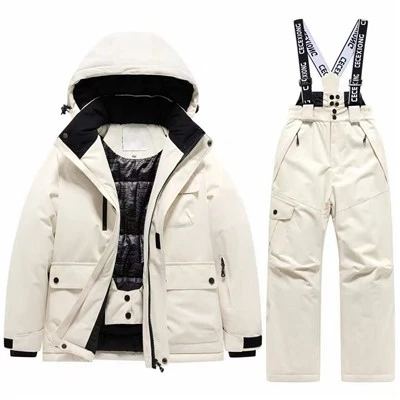
Skiing isn’t a one-size-fits-all sport. A day of lift-serviced runs at a busy resort is way different from a day of splitboarding through untouched powder, and your jacket needs to match that. Let’s break down the best options, what makes each work, and why they matter for guys who spend their time on snow.
First, the workhorse of most skiers’ closets: the all-mountain insulated ski jacket. This is the one you’ll grab for 80% of your days, regardless of whether you’re sticking to groomed runs or wandering a little off-piste. What sets a good all-mountain jacket apart is its ability to handle variable conditions—sudden snow squalls, midday sun that melts snow into slush, and the constant movement of skiing. For insulation, synthetic fills like Primaloft Gold Eco are ideal here. Unlike down, synthetic insulation stays warm even if it gets damp, and it dries quickly, which is non-negotiable when you might lean against a snowbank for a quick snack or sit in a wet chairlift. I’ve seen guys test jackets with Primaloft Gold through weeks of inconsistent snow, and they still stayed warm when down-filled jackets would have lost 30% of their heat retention.
That said, don’t sleep on down alternative insulation if you prioritize packability for travel. If you’re flying to a mountain resort, a 800-fill power down jacket compresses small enough to fit in a backpack when you’re not wearing it, and it’s incredibly warm for its weight. The only caveat: only buy a down jacket with a durable water repellent (DWR) coating and a waterproof outer shell. If you get caught in a light snowfall or splash through a slushy patch, untreated down will clump and lose warmth. We’ve had customers who bring these on backcountry day trips, stuffing them into their avalanche bags when they’re hiking, then pulling them out to wear once they reach the summit.
Next, the hardshell ski jacket, built for when weather is extreme. If you’ve ever skied in a blizzard with winds howling at 50 mph, you know that even the warmest insulated jacket won’t hold up if snow is blowing straight through seams. Hardshell jackets are made with waterproof and windproof membranes—Gore-Tex Pro is the gold standard here, but there are great mid-tier options like eVent for guys on a budget. The key for hardshells is breathability, too. Skiing makes you sweat, and if your jacket doesn’t let that moisture escape, you’ll end up soaked from the inside, which is way colder than any outside wind. A lot of cheaper hardshells cut corners on breathability to save weight, so when we select hardshells for our inventory, we test them with a sweat simulation meter to make sure they move moisture as well as they block snow. A good hardshell doesn’t have to be bulky, either—look for articulated elbows and a drop tail that covers your lower back when you’re bending over or riding chairlifts, so you don’t get snow down your jacket mid-run.
For backcountry skiers or splitboarders, a softshell ski jacket is a game-changer. Hardshells can be too stiff and heavy for the long uphill sections where you’re hiking and generating a lot of heat. Softshells are stretchy, lightweight, and offer a good middle ground between insulation and wind protection. They’re not fully waterproof—most have a water-repellent finish for light snow, but they’ll soak through if you get caught in a heavy snowstorm—but that’s actually an advantage for uphill travel. The breathability of a softshell lets you sweat without getting damp, and you can layer a thin insulated vest underneath for warmth once you stop to ski down. I’ve worked with backcountry guides who swear by softshells for day trips, saying they’re way less restrictive than insulated jackets during the hike, and easy to stow in a pack when they’re not needed.
One style I see a lot of guys overlook is the lightweight, uninsulated shell jacket for resort days where the weather is mild. If you’re skiing on a sunny day in 40-degree weather, you don’t need thick insulation—you just need something that blocks wind and light rain or snow. An uninsulated shell is perfect here, and it’s way more versatile than a heavy insulated jacket. You can layer a moisture-wicking base layer and a thin fleece inside, and it works for everything from spring skiing to casual winter walks. We keep these in stock because so many guys buy a thick all-mountain jacket for winter, then end up needing something lighter for the warmer months on the slopes.
Coats, not just jackets, matter for apres-ski and post-ski days, too. A lot of guys think ski outerwear is only for the hill, but a good après-ski coat should be warm, stylish, and easy to transition from the lodge to a dinner out. For that, a mid-length down parka is ideal. Look for ones with a faux fur hood trim (it’s practical for blocking wind on cold walks to the car) and a durable outer fabric that resists slush and snow. Unlike a puffer coat you’d buy for everyday use, ski parkas have features like taped seams to keep moisture out, and interior pockets that can hold your lift ticket or phone without freezing. I’ve had customers tell me they wear their après-ski coats more on weekends off the mountain than on the slopes, so we make sure to pick styles that work both on snow and in town.
Now, let’s talk about what to look for when you’re choosing, beyond just the style. Fit is non-negotiable. A jacket that’s too tight will restrict your movement when you’re carving turns or reaching for your ski poles, and one that’s too big will let snow get in and feel bulky. You should be able to layer a base layer and a mid layer (like a fleece or thin insulated vest) under your jacket without it feeling tight, but not so loose that the fabric pulls when you move. Another big detail is the collar and cuffs. A tall, adjustable collar blocks wind from getting down your neck, and cuffs with adjustable Velcro or a Gore cuff (that fits over your glove) keep snow from sliding up your wrist. Seams should be taped—untaped seams are the number one reason jackets leak on the slopes, even if the fabric itself is waterproof.
I’ve seen too many guys waste money on jackets that look good in the store but fall apart after a few uses, because they don’t match their actual skiing habits. If you’re a casual resort skier who only goes out on weekends, an insulated all-mountain jacket with a mid-tier membrane will work perfectly, and you don’t need to splurge on a professional-grade backcountry hardshell. If you’re someone who spends every weekend exploring backcountry terrain, a softshell or lightweight hardshell will serve you way better than a bulky insulated jacket.
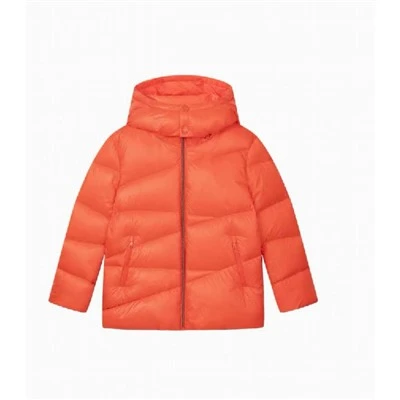
At the end of the day, the best ski jackets and coats are the ones that fit your routine. If you’re shopping for reliable, high-quality outerwear that’s built to last through seasons of skiing, we stock all these styles, tested and chosen by people who spend their lives on the slopes. Whether you’re outfitting your first ski trip or updating your closet with pieces that work for both the hill and apres-ski, we’re here to help you find the right fit and function for your needs. If you’re a buyer looking to stock your shop with men’s ski outerwear that stands up to real use, reach out to us to discuss bulk ordering and custom options.
Kids’ Jackets and Coats References
- American Mountain Guides Association. (2022). Backcountry Ski Gear Guide.
- Gore-Tex Corporation. (2023. Waterproof and Breathable Membrane Technology for Outdoor Apparel.
- Primaloft. (2021. Synthetic Insulation Performance for Cold Weather Activities.
- Outdoor Industry Association. (2022. Consumer Guide to Ski Outerwear.
Tengzhou Jufulong Garment Co., Ltd.
We are one of the most professional men’s jackets and coats manufacturers and suppliers in China, also support customized service. With abundant experience, we warmly welcome you to wholesale high quality men’s jackets and coats made in China here from our factory. Contact us for free sample.
Address: Zongzhuang Village, Jisuo Town, Tengzhou City, Zaozhuang City, Shandong Province (West of Jisuo Middle School)
E-mail: 17606320177@163.com
WebSite: https://www.jufulongwear.com/
